

Topic
Category: Opinion
-
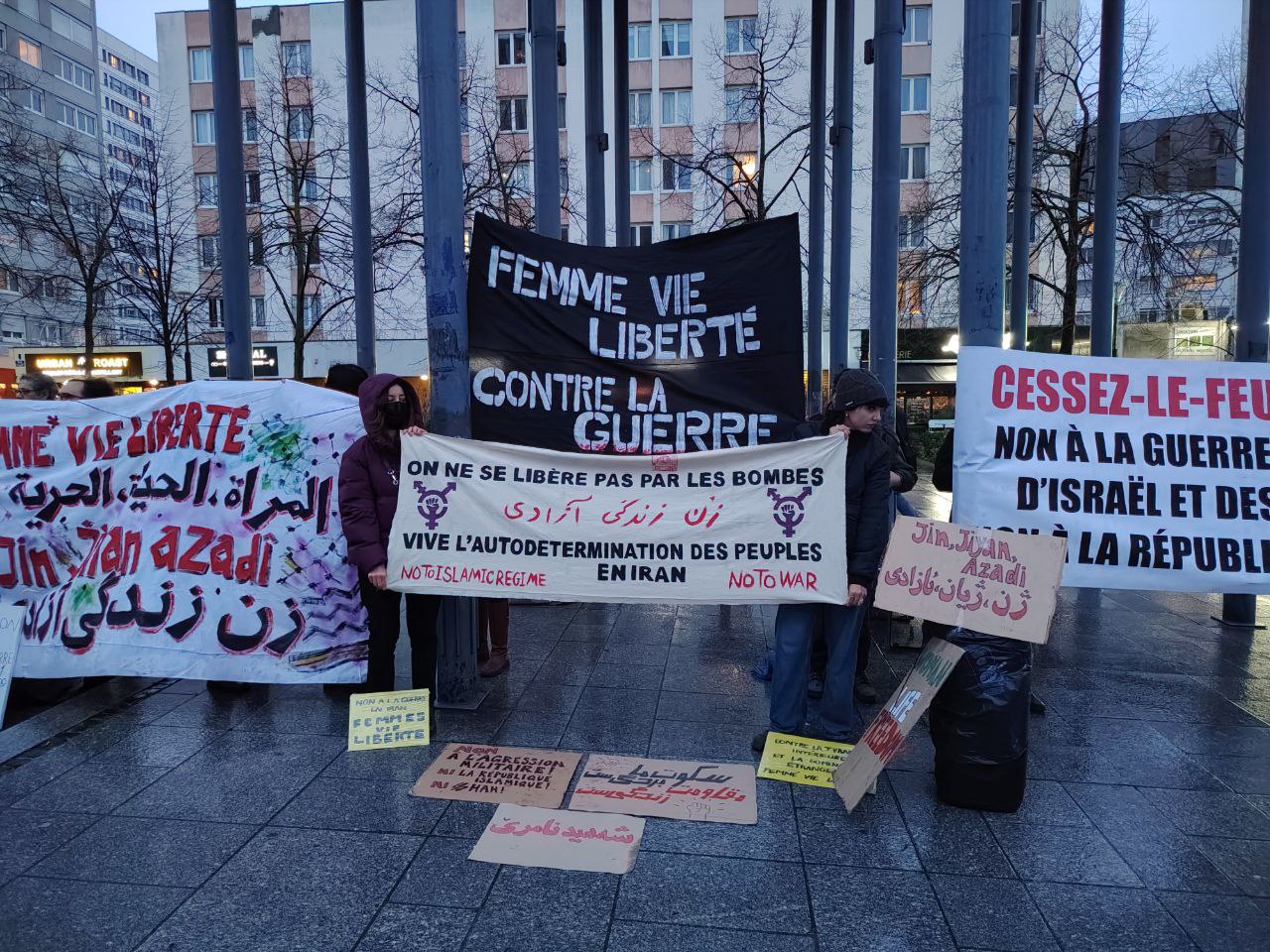
From Opponents to Opposition: Exile, War, Class, Nostalgia, and the Iranian Left
The essay argues that repression and exile weakened the Iranian left’s organizational base, while war and diaspora media amplify monarchist visibility over socially rooted…
-
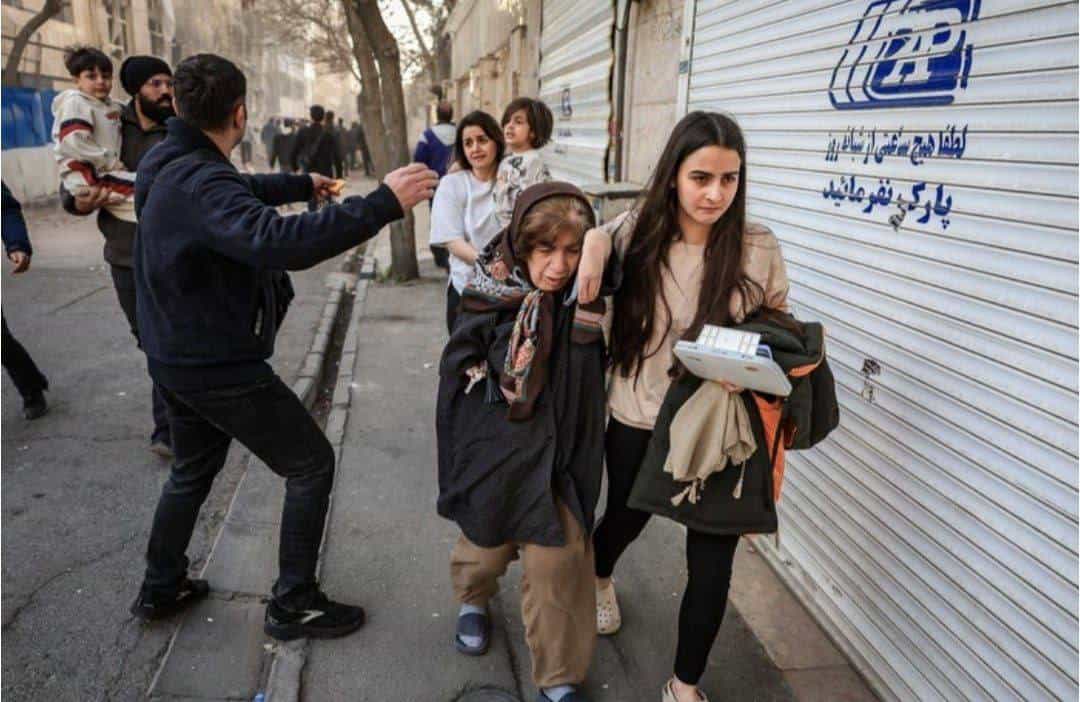
March 8, War, and Women: The Intersection of Military Violence and Gender Inequality in Iran
March 8 marks both women’s long struggle for equality and a chance to reflect on war’s human toll and the urgency of defending women’s…
-

War, Spectacle, and Internal Repression: Iran’s Regime Between Military Weakness and Fabricated Strength
As war weakens Iran militarily, the regime turns to repression, blackouts, and spectacle to manufacture control, suppress dissent, and mask internal fragility. While wars…
-
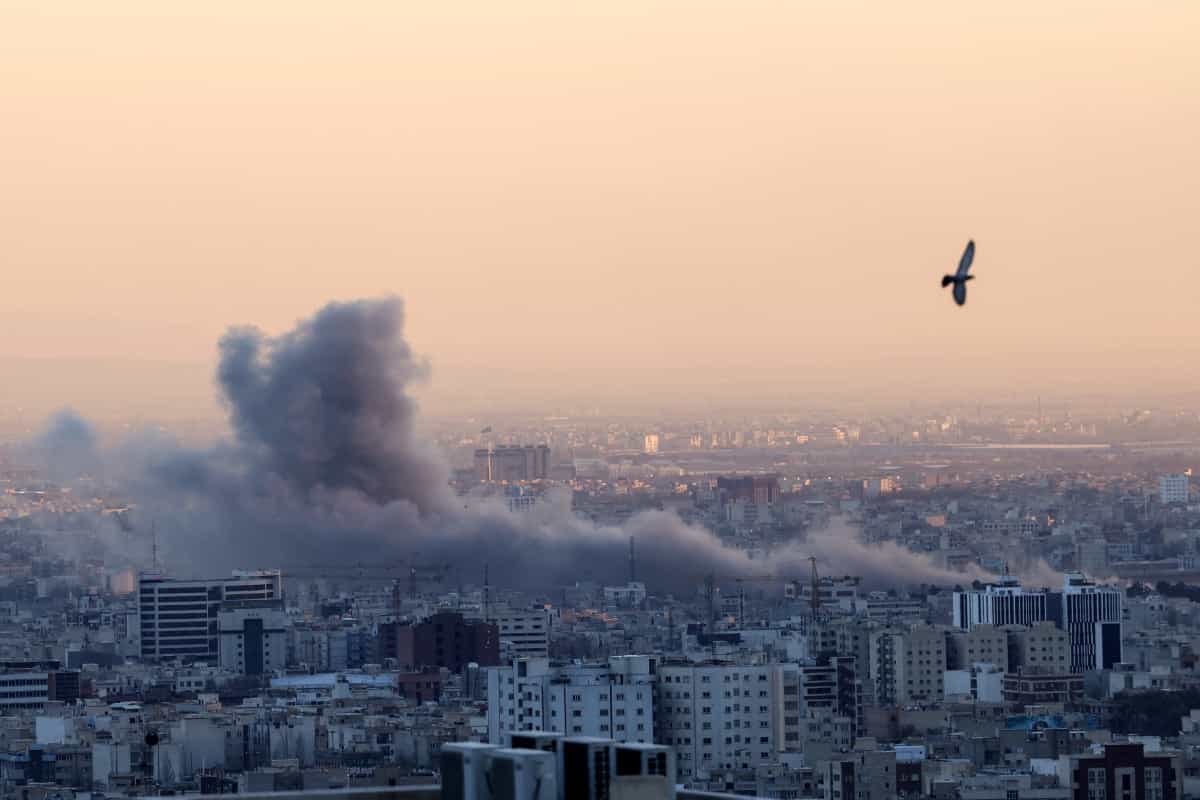
Maximum Pressure, No Day-After Plan: War Spills Into Markets
U.S. and Israeli pressure seeks leverage without owning the aftermath, while Tehran shuts down talks and bets on “non-surrender”—pushing the crisis toward a long,…
-

Dirty Purification in the Islamic Republic: Purity, Ummah, and Stain Immunity
How can the production of atrocity in Iran become politically possible—how can mass killing, dispossession, and extreme coercion be carried out, repeated, and defended…
-

The Secret of Missing and Mutilated Bodies of Women Protesters: Women’s Bodies as a Statement
An opinion piece argues the state hides women protesters’ bodies to erase evidence—yet enforced disappearance deepens justice-seeking, from Kurdistan to all of Iran. The…
-

The IRGC: State Terrorism at the Heart of the Islamic Republic
The EU’s designation of the IRGC as a terrorist organization recasts the Islamic Republic as a system sustained by organized violence—and opens new legal…
-

The Middle East Chessboard with Three Pieces: The King, the Queen, and the Tiptoeing Elephant
An Iran-based analyst compares Iran, the U.S., and Israel to chess pieces, arguing negotiations are unlikely to succeed and a large strike may follow,…
-

Violence, Ambiguity, and the Engineering of Narratives in Iran’s Protests
Edward Said, in his book Orientalism, examines the decisive role of narratives in structures of power. In his view—particularly in the realm of media—power…
-

Why the Islamic Republic of Iran Has Not Collapsed?
The Islamic Republic survives through ideological coalition-building, disciplined crisis management, propaganda, and coercion, exploiting religious authority and social fragmentation to outlast repeated shocks, protests,…
-

Iran’s Political Capitalism and the Western Left’s Hesitation: How a Revolt Gets Filtered Through Ideology
Iran’s “political capitalism” fuses sovereignty and accumulation, fueling recurring revolts. Sanctions and repression create epistemic fog, while campism and “no-lever” activism mute Western-left solidarity…
-

Turning Doctors into Partners in the State Narrative
Eleven days after the crackdown, Pezeshkian urged doctors to align with the official narrative and prioritize “calming” interventions—while hospital accounts describe systematic, targeted lethal…