

Topic
Category: International Relations
-

The Road to Beijing Runs Through Tehran
Washington wants to pivot towards China, but Middle Eastern energy, Gulf capital and Iran’s regional power make disengagement far more difficult than US policymakers…
-
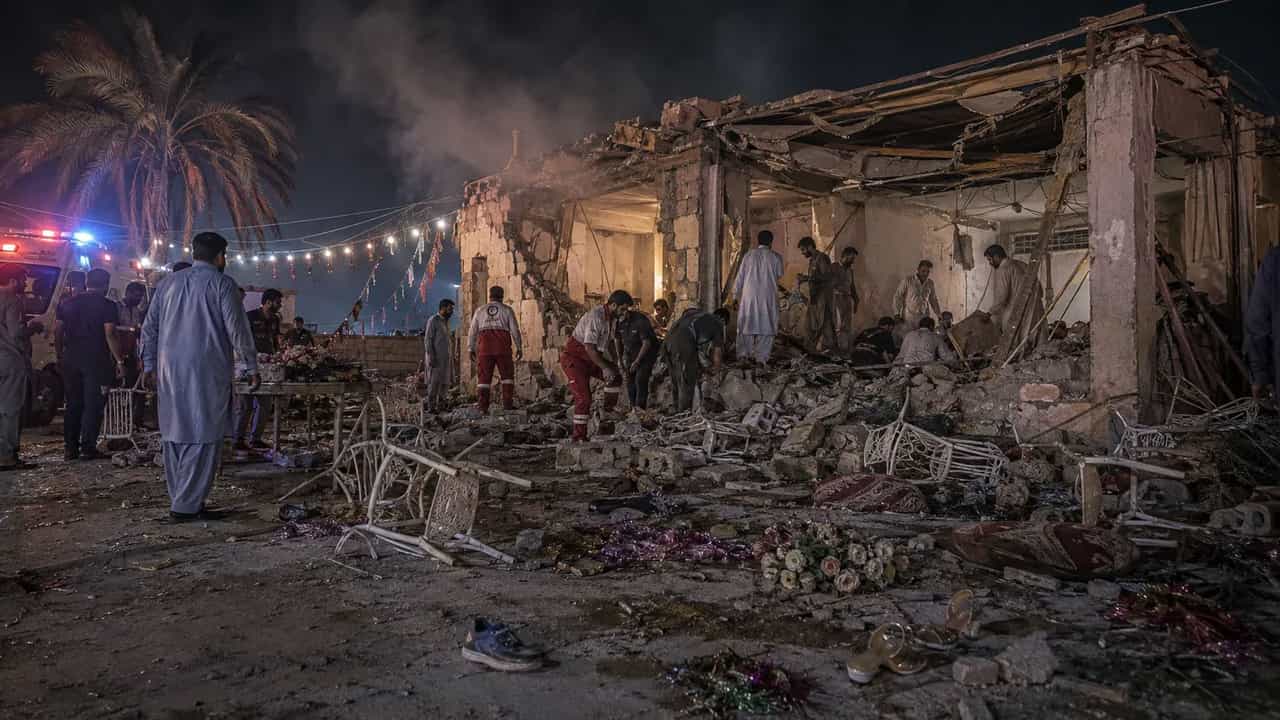
U.S. Strike on the Wedding: Evidence Challenges the “Collateral Damage” Claim
Satellite, visual and open-source evidence from Kuhestak challenges early claims that wedding casualties were merely collateral damage from a strike on a nearby telecommunications…
-
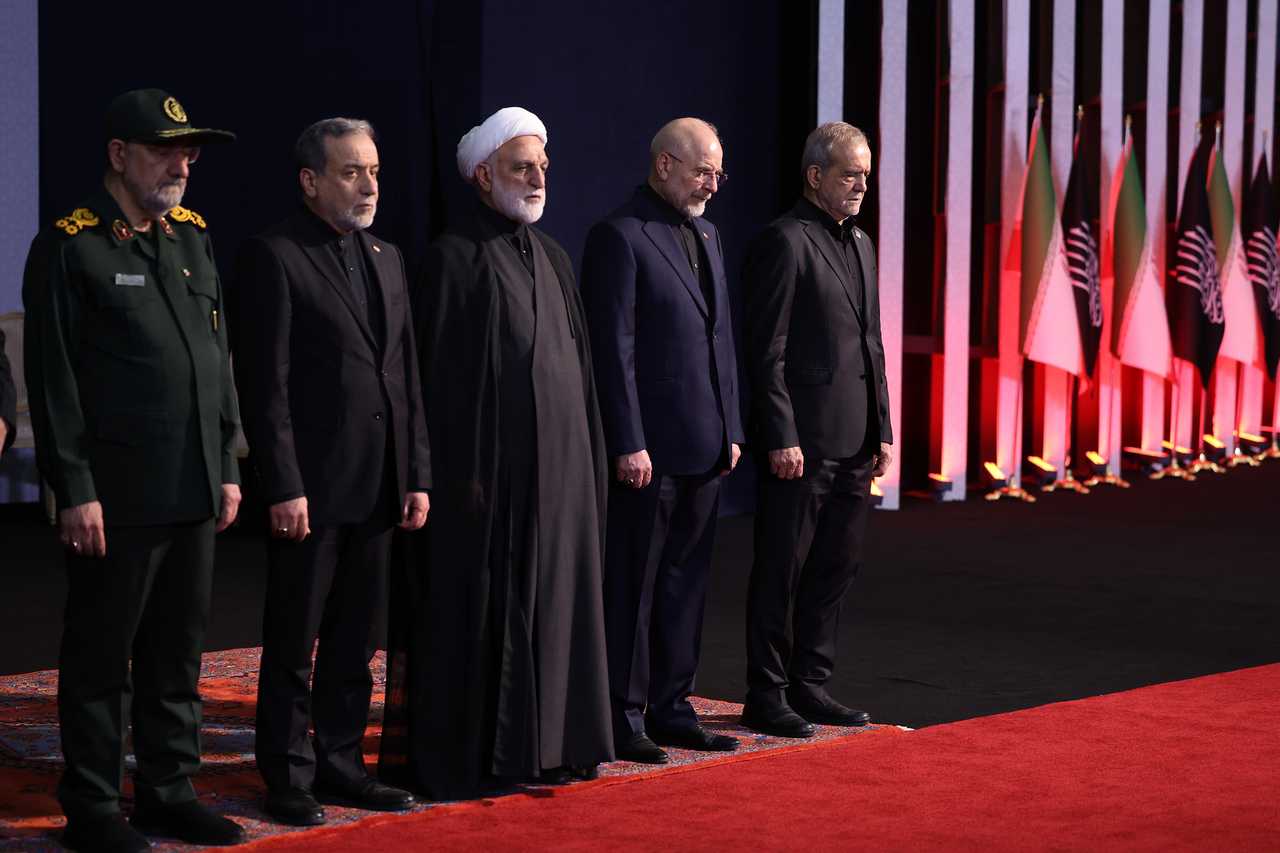
When the Strait of Hormuz Becomes Iran’s Minister of Defense, Foreign Affairs, and the Economy
Hormuz is a major tactical asset for Tehran—but mistaking it for a secure strategic victory could invite a far larger war. “As a result…
-
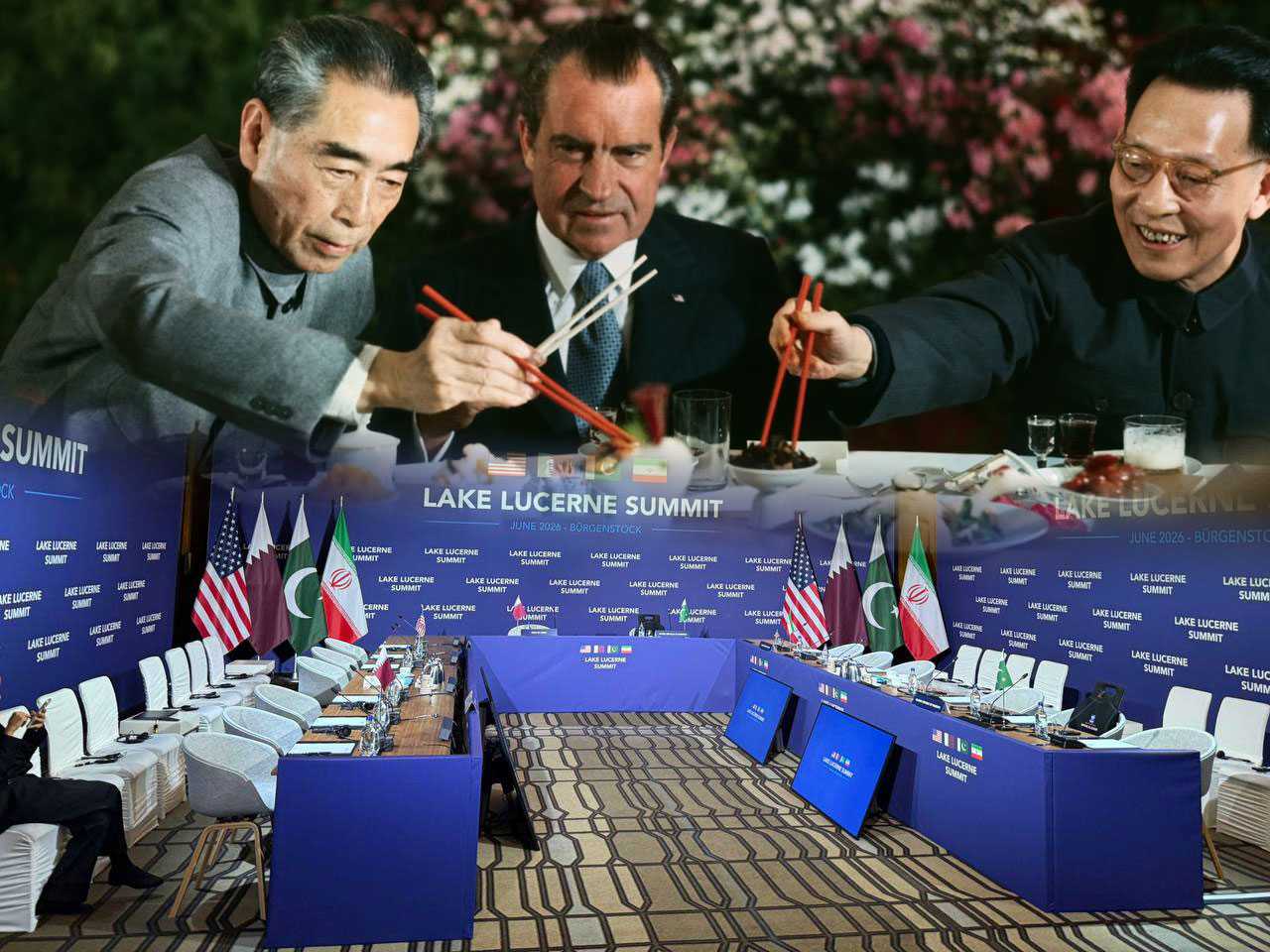
Nixon and Kissinger at Bürgenstock: Could Iran Become America’s “New China”?
Can Washington repeat its Cold War opening to China with Iran — trading decades of enmity for security coexistence in order to focus on…
-
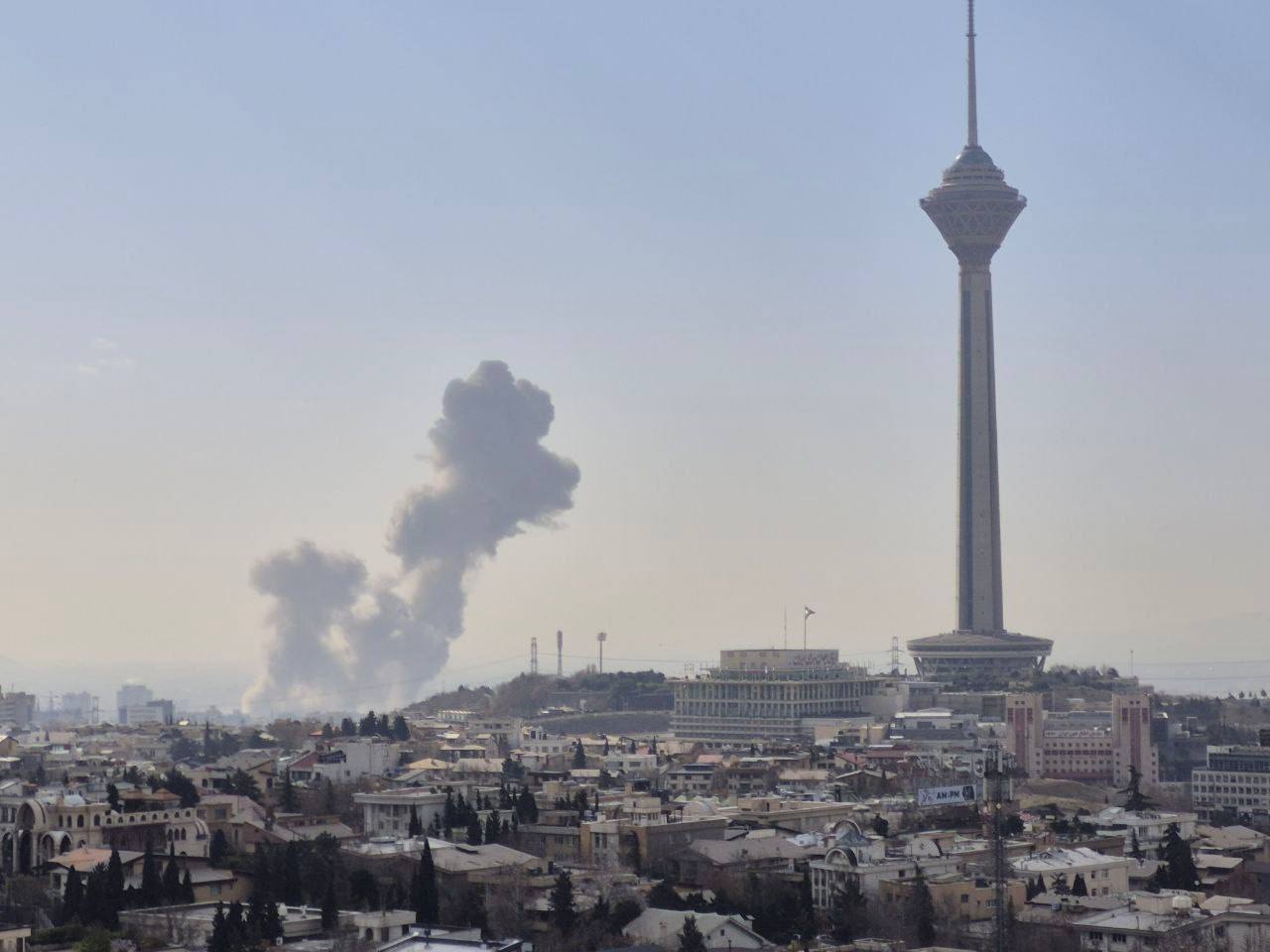
A Diary from Iran: Fear, Waiting, and Uncertainty on the 23rd Day of War
A diary from war-struck Tehran, where bombs, checkpoints, grief, and ordinary acts of care fold into the struggle to keep living. This is an…
-

Why Do Some Iranians Celebrate the National Team’s Defeat?
Iran’s national football team has become a battlefield over stolen symbols, collective memory, and who gets to speak in the name of Iran. In…
-
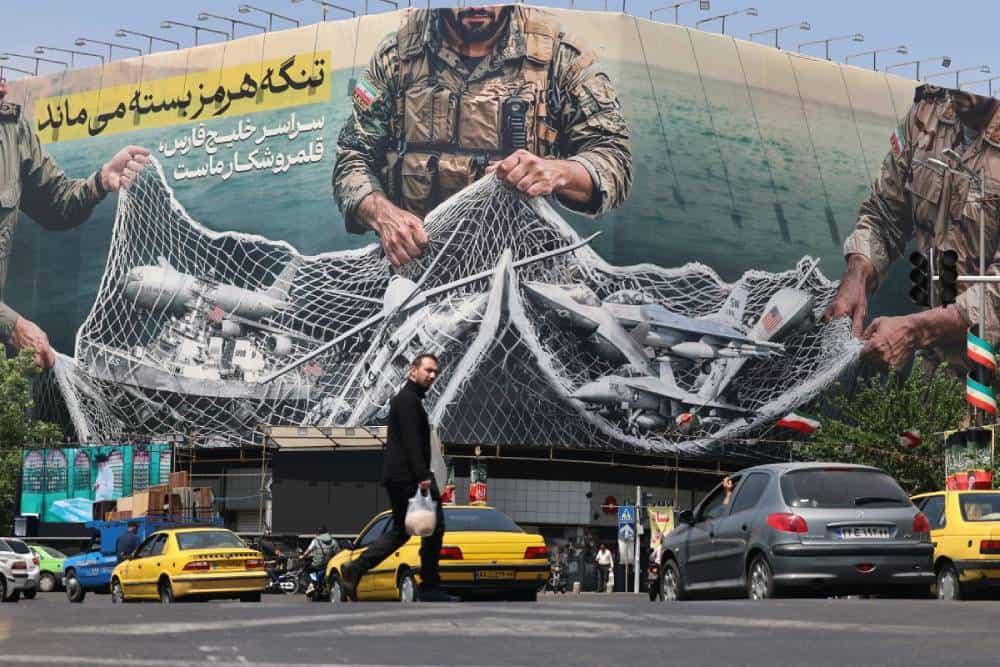
Hormuz, Bab al-Mandab, and the New Age of Cheap Maritime War
Low-cost drones and missiles are eroding the U.S.-led maritime order, allowing smaller actors to threaten chokepoints and global trade. The roughly 16-hour exchange of…
-
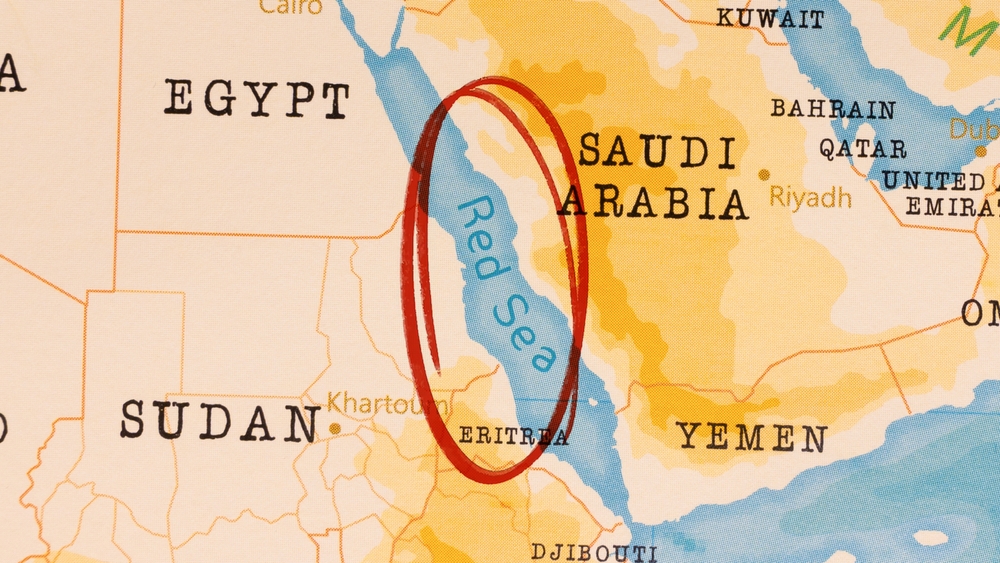
Bab al-Mandab: How a Red Sea Chokepoint Can Shake Oil and Food Markets
A maritime blockade in the Red Sea threatens oil flows, shipping routes, fertiliser supplies, and global food security. How can disruption in a strait…
-
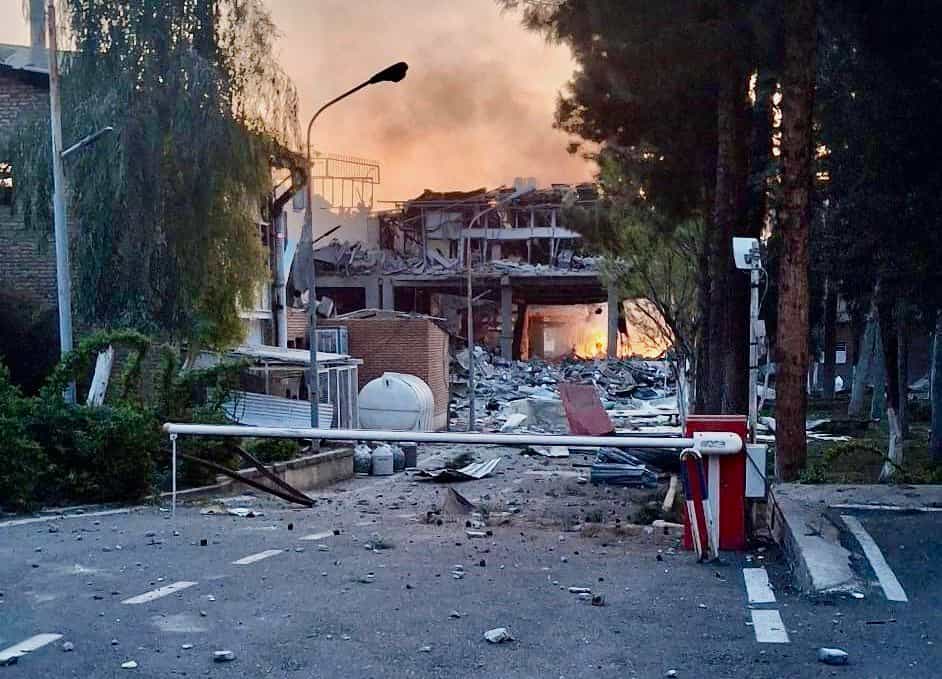
The Destruction of Iran’s Pasteur Institute During the War
The destruction of parts of the main building of the Pasteur Institute of Iran in March and April 2026, during the recent military clashes…
-
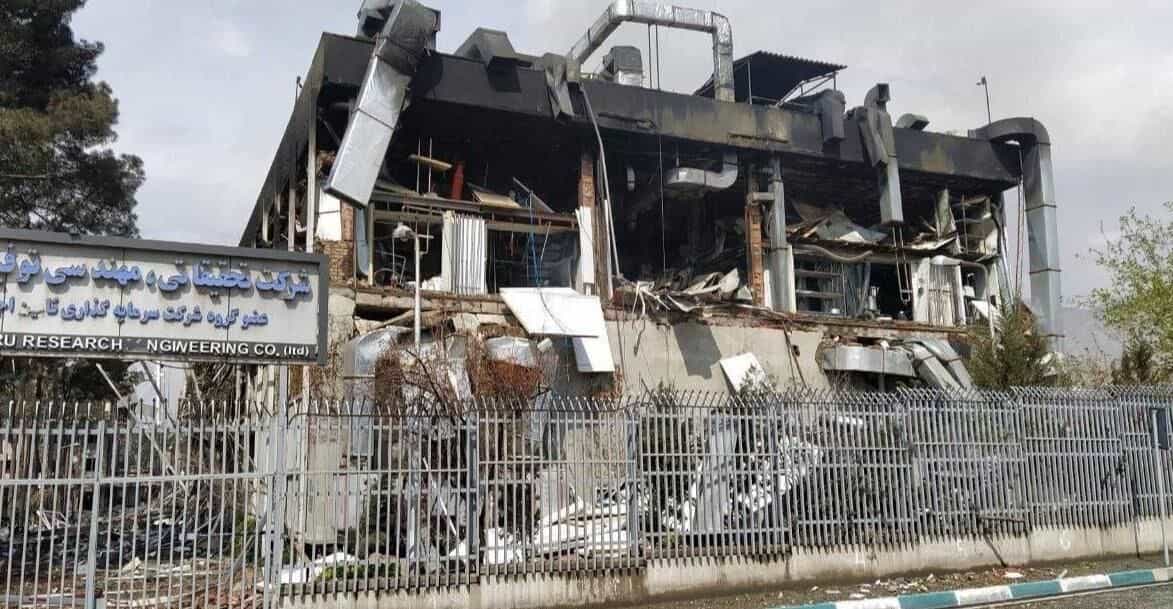
Field Report from Iran: War’s Wound on the Health System
War has turned access to medicine into a classed ordeal, leaving patients to search, wait, pay, and fear what comes next. War does not…
-
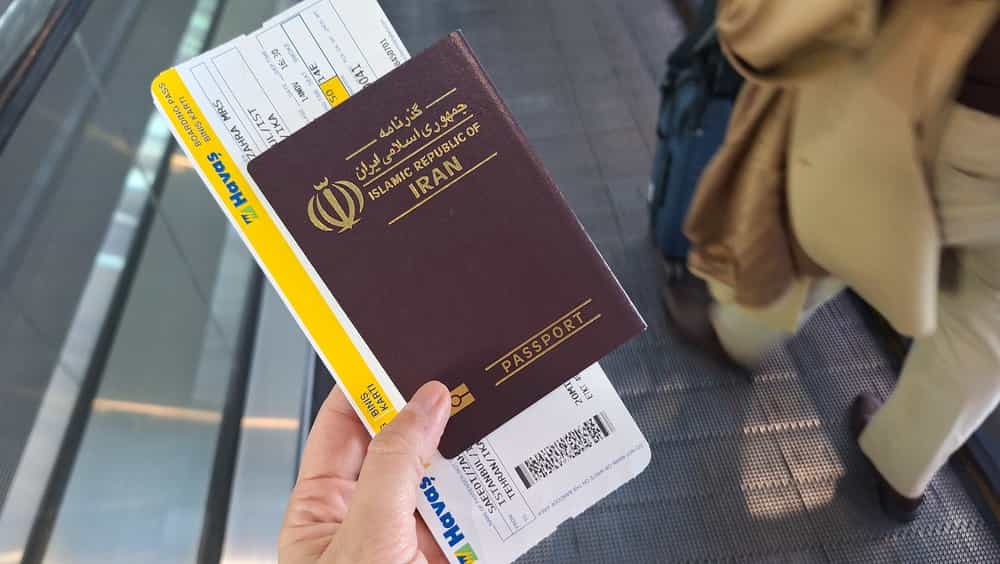
Iranian Passports Revoked in Armenia: A Field Report on the Islamic Republic’s New Forms of Repression
After the January 2026 uprising, the Islamic Republic expanded repression beyond Iran, targeting dissidents’ legal identity and freedom of movement. After the January 2026…
-

The Strait of Hormuz: From Portuguese Forts to Drones and GPS Disruption
Across centuries, Hormuz has remained a passage where control over maritime insecurity gives states leverage over trade, energy, and global power. The military crises…