

Topic
Category: Opinion
-
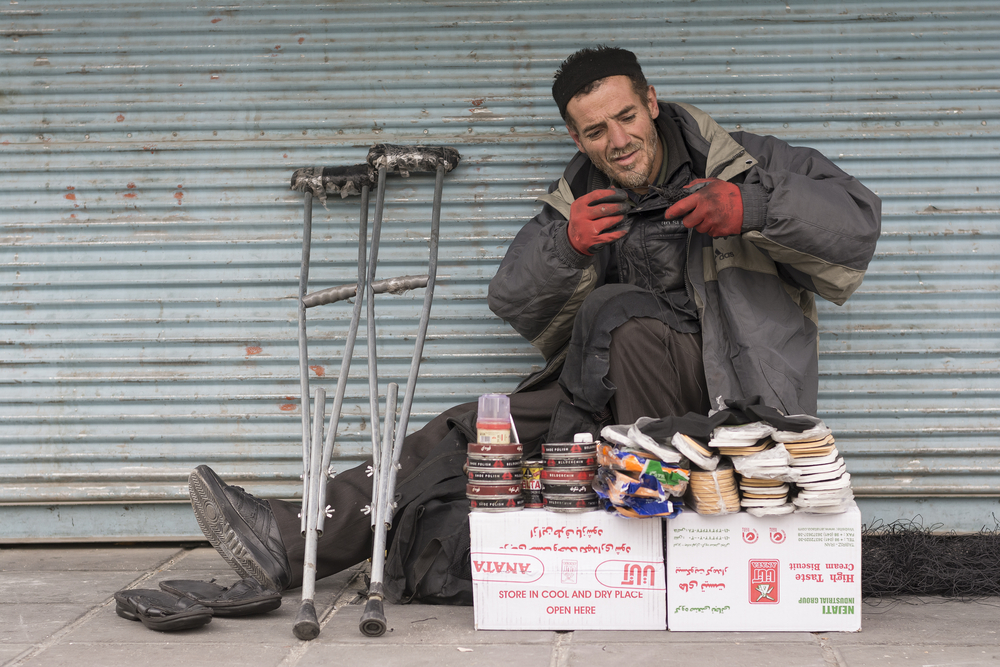
Field Report: From War to Inflation, How Crises Erase People with Disabilities
Roya and Zahra’s stories show how poverty, war, inflation, internet shutdowns, and neglect turn disability into structural exclusion in Iran. The stories of Roya…
-
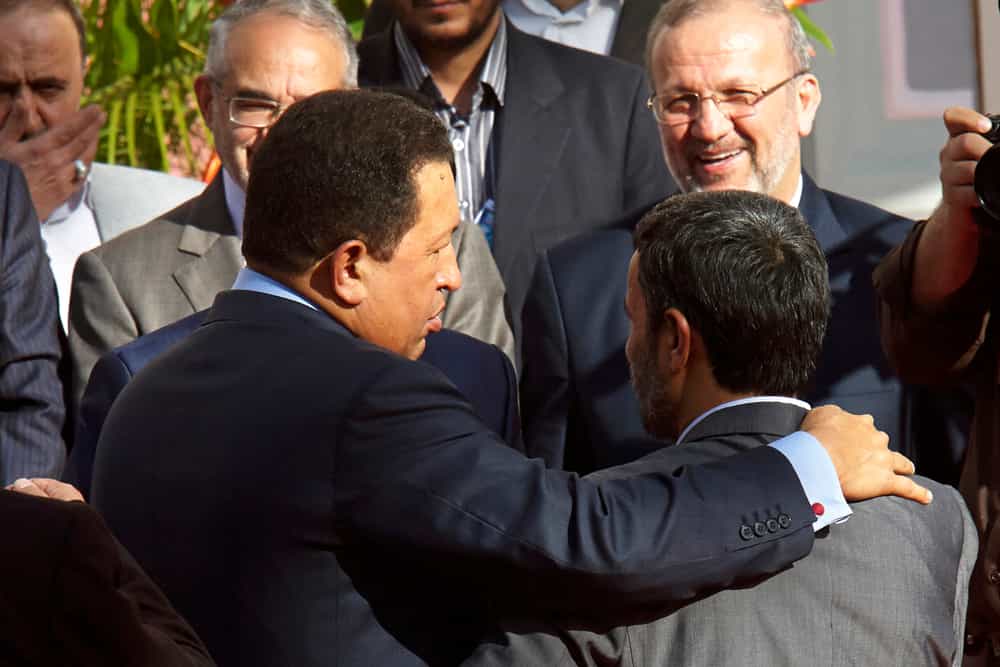
Mahmoud Ahmadinejad: From Anti-Imperialist Hero to Regime Change Candidate
Ahmadinejad’s turn from anti-imperialist icon to reported imperialist coup candidate exposes the danger of mistaking anti-American rhetoric for liberation politics. Remember the image of…
-

Celebrity, Power, and Sexual Violence: Why the Pejman Jamshidi Case Matters Beyond the Courtroom
A high-profile rape accusation has become a test of power, gender, silence, and women’s refusal to remain silent in Iran. Pejman Jamshidi is one…
-
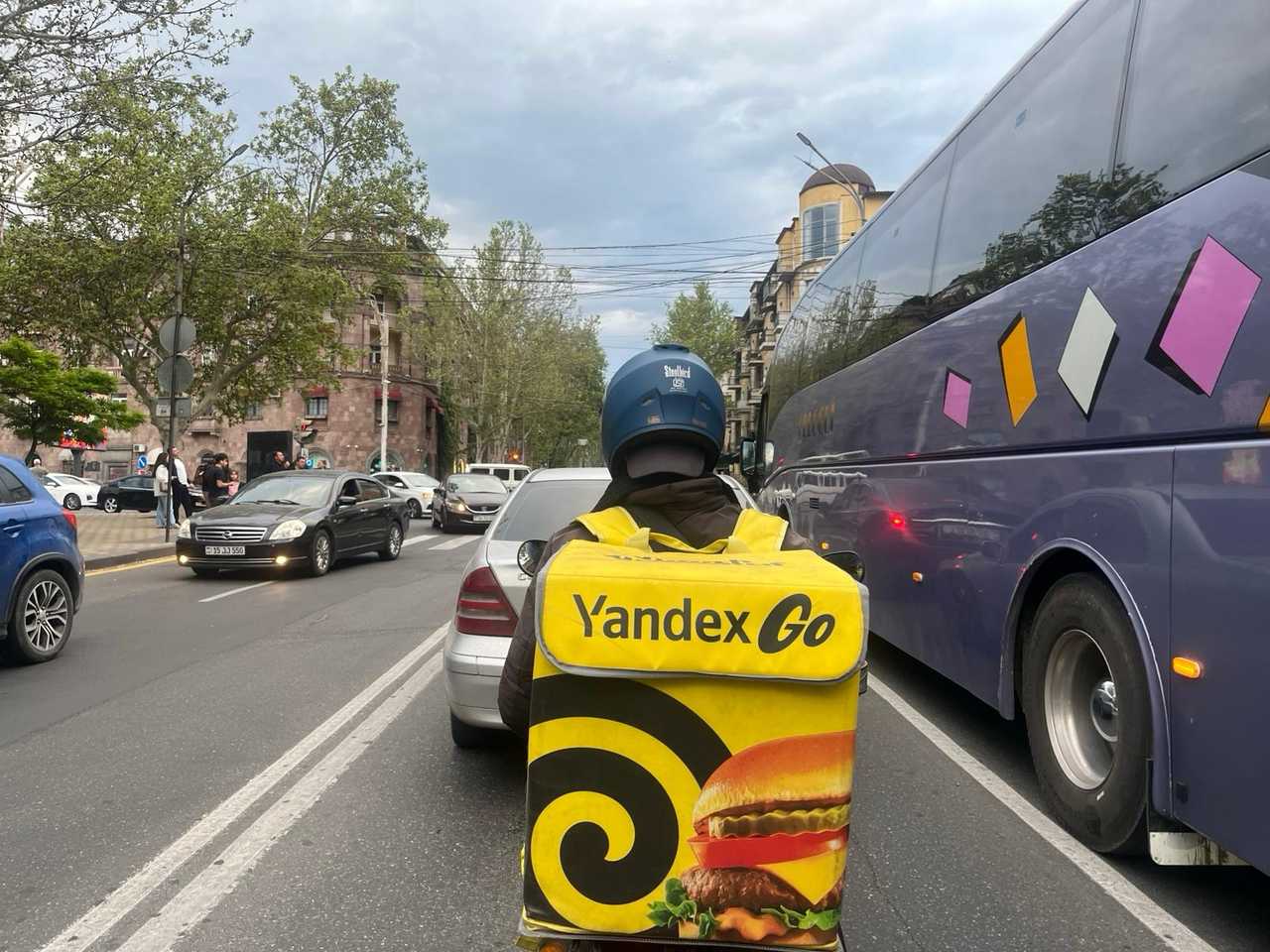
Iranians in Armenia: No Return, No Stability, Only Survival
Iranians fleeing repression, war, and internet shutdowns find precarious survival in Armenia, where delivery work offers cash but no protection or future. The 40-day…
-

Succession in Suspension: An Opportunity for Change in the Islamic Republic?
The postwar succession crisis may open possibilities for change, but only if civil society avoids premature illusions and applies organized, strategic pressure. One might…
-

When War Destroys Workers’ Jobs and Leaves Them Unemployed
War and prolonged internet blackouts wiped out jobs across Iran, from gig work to industry, with women in informal and small-business employment hit hardest.…
-

The Iran–U.S. War and the Crisis of Political Imagination
War appears here not as an event but as a durable condition: a sign of suspended historical time, collapsing horizons, and a growing incapacity…
-

An Atomic Bomb Against Iran: The Next Logical Step for the Supporters of War?
When regime change is defended “at any cost,” moral boundaries collapse, violence is normalized, and human lives are turned into expendable political costs. Many…
-
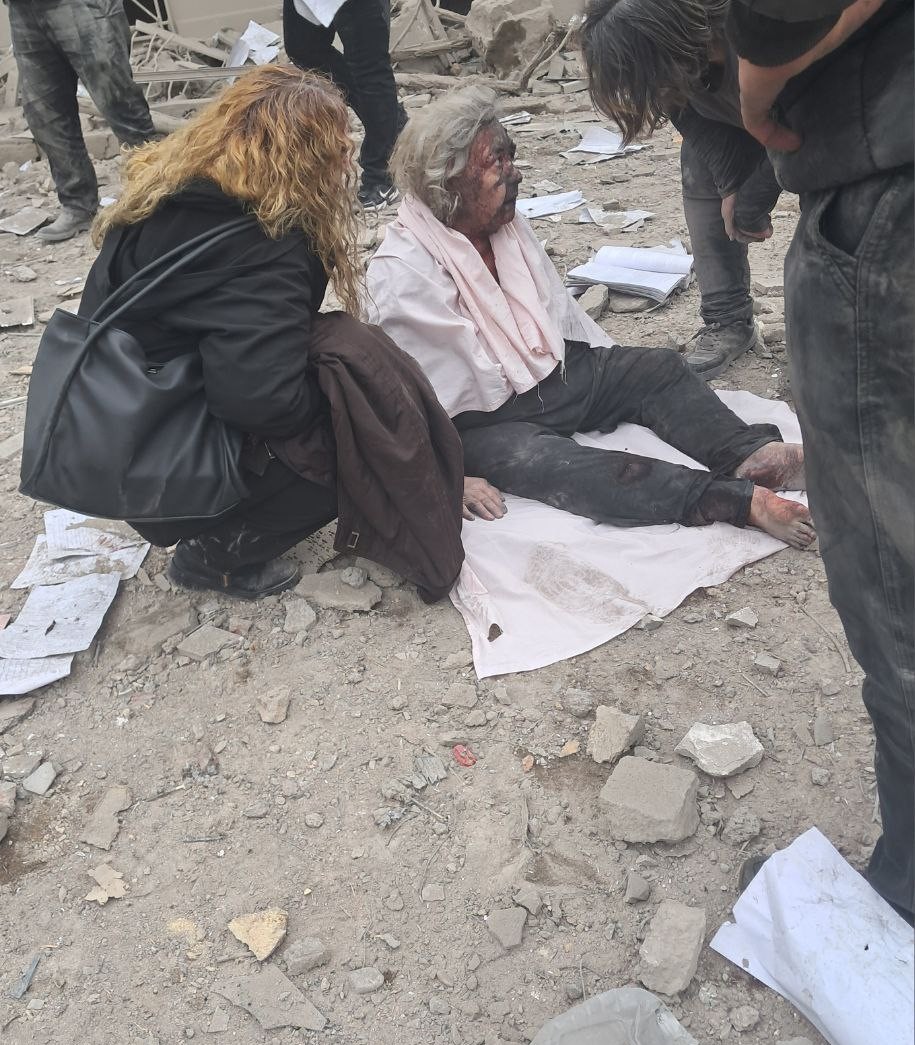
Iranian Women’s Agency Amid the Drums of War
A postwar political transition will not guarantee a better future for women unless their demands are explicitly named and placed at the center. This…
-
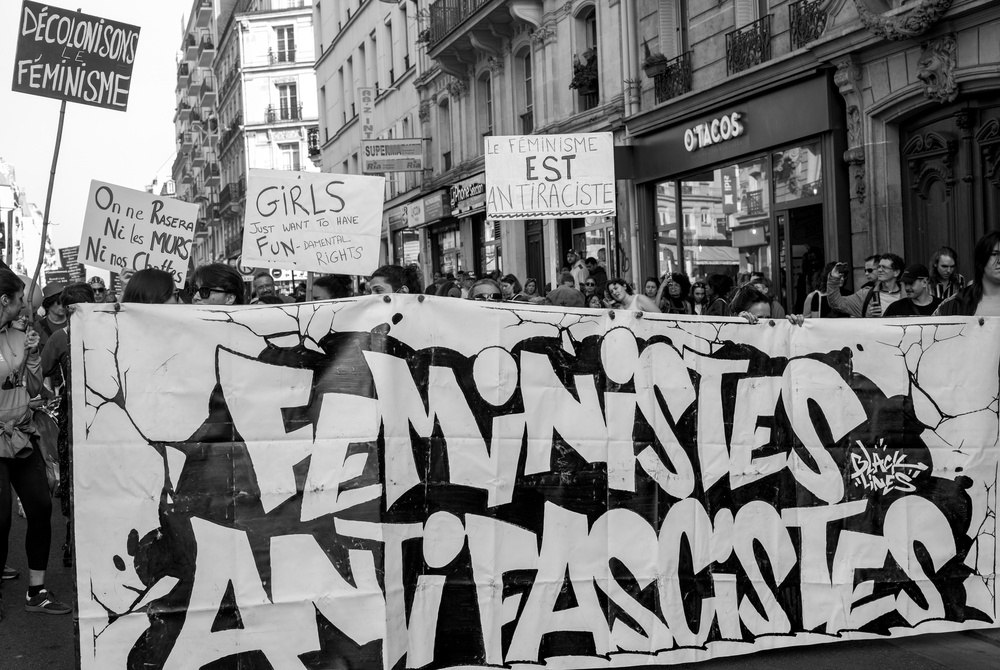
Queer-Feminism Against War and the Politics of Death
“Woman, Life, Freedom” reimagines power beyond war, patriarchy, and the hierarchies that decide which lives matter. If war is understood not as an event…
-
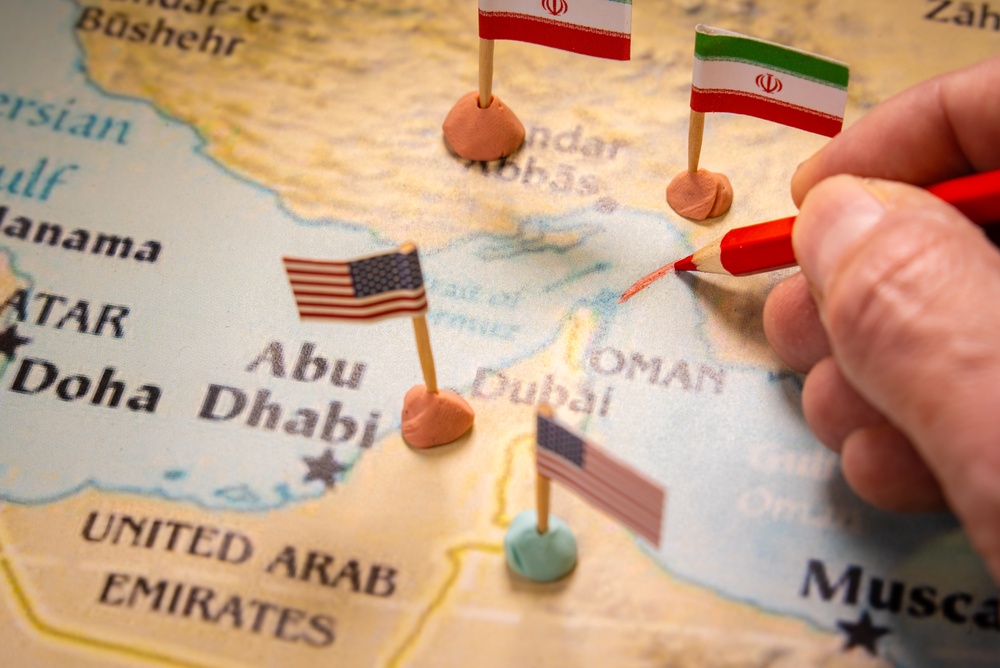
The Strait of Hormuz, Energy, and the Petrodollar Order
Hormuz is testing not only energy markets, but the petrodollar order that bound U.S. power, Middle Eastern oil, and dollar dominance together. The closure…
-
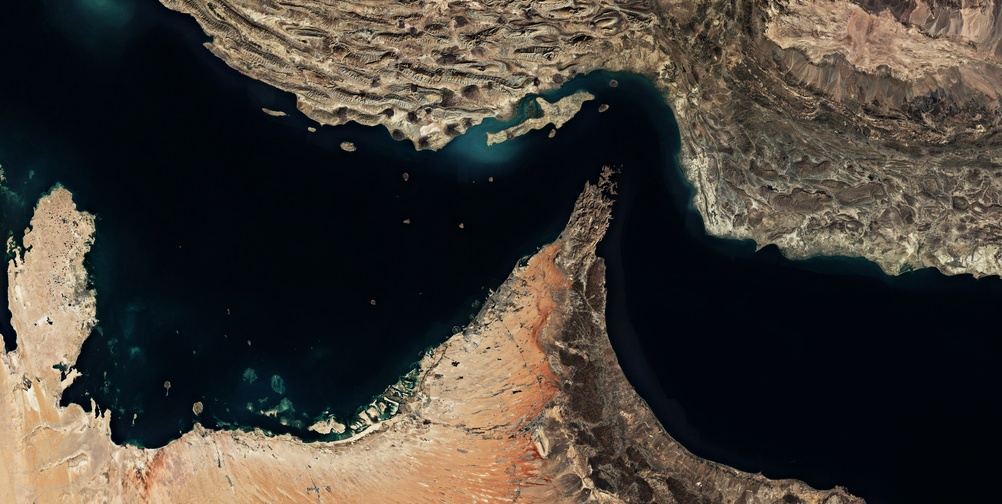
War at the Strait of Hormuz Could Trigger a Global Environmental Disaster
Conflict in the Strait of Hormuz could spark a massive oil spill, devastating Gulf ecosystems, desalination, fisheries, and economies while threatening global energy supplies.…