


Reflections on a continuing fight
Three years after the Woman, Life, Freedom uprising, its echoes are still reshaping Iranian politics and identity. For queer Iranians, it was the first time our lives and struggles could not be erased. This piece reflects on why that visibility matters, why survival itself is resistance, and why freedom without queer voices will never be complete.
On September 16th, 2022, twenty-two year old Mahsa Jina Amini died in a Tehran hospital, following her arrest by the morality police for an “improperly worn” hijab. While the authorities blamed an unexpected heart problem, eyewitness reports quickly emerged of the young woman being brutalised in a police van, which likely resulted in her death.
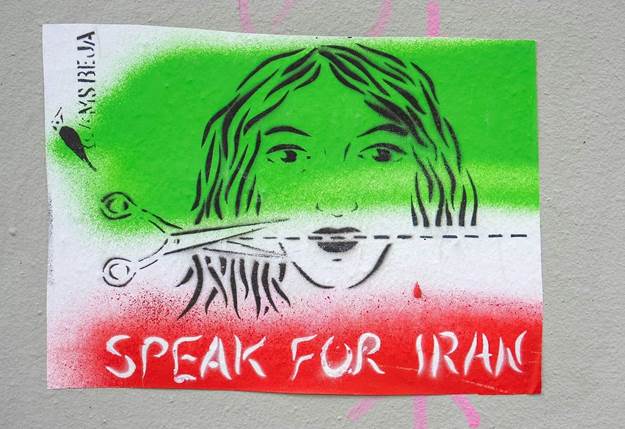
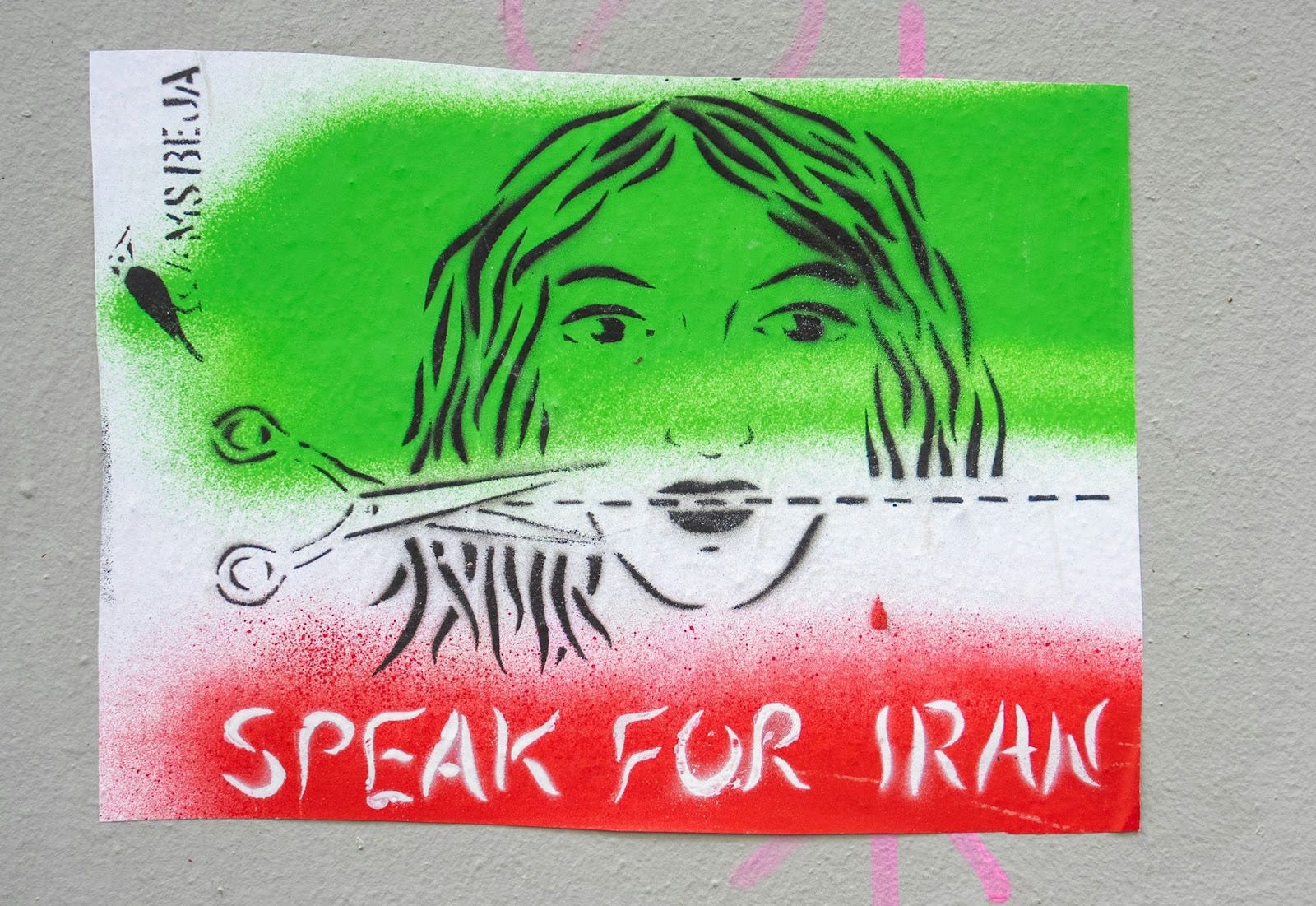
The Kurdish-Iranian woman’s horrific treatment at the hands of the Iranian regime’s religious forces soon became the focal point of wider outrage. Hundreds of thousands of Iranians descended in the streets to voice their anger at the state’s stifling repression. In protest, troves of young women ostensibly took off and burned their hijabs or cut their hair, often facing arrest as a consequence. They marched to the sound of a slogan that would come to represent an entire movement: ‘Woman, Life, Freedom’.
As an Iranian queer feminist, the third anniversary of ‘Woman, Life, Freedom’ carries a meaning that to me goes far beyond memorialisation. It marks the moment after which queer lives in Iran could no longer be denied, hidden, or pushed to the margins of history. For decades, queer Iranians were erased from public discourse. Even within feminist and democratic struggles, our existence was treated as a distraction: something to postpone until “after we are free,” as if freedom could ever be partial or conditional.
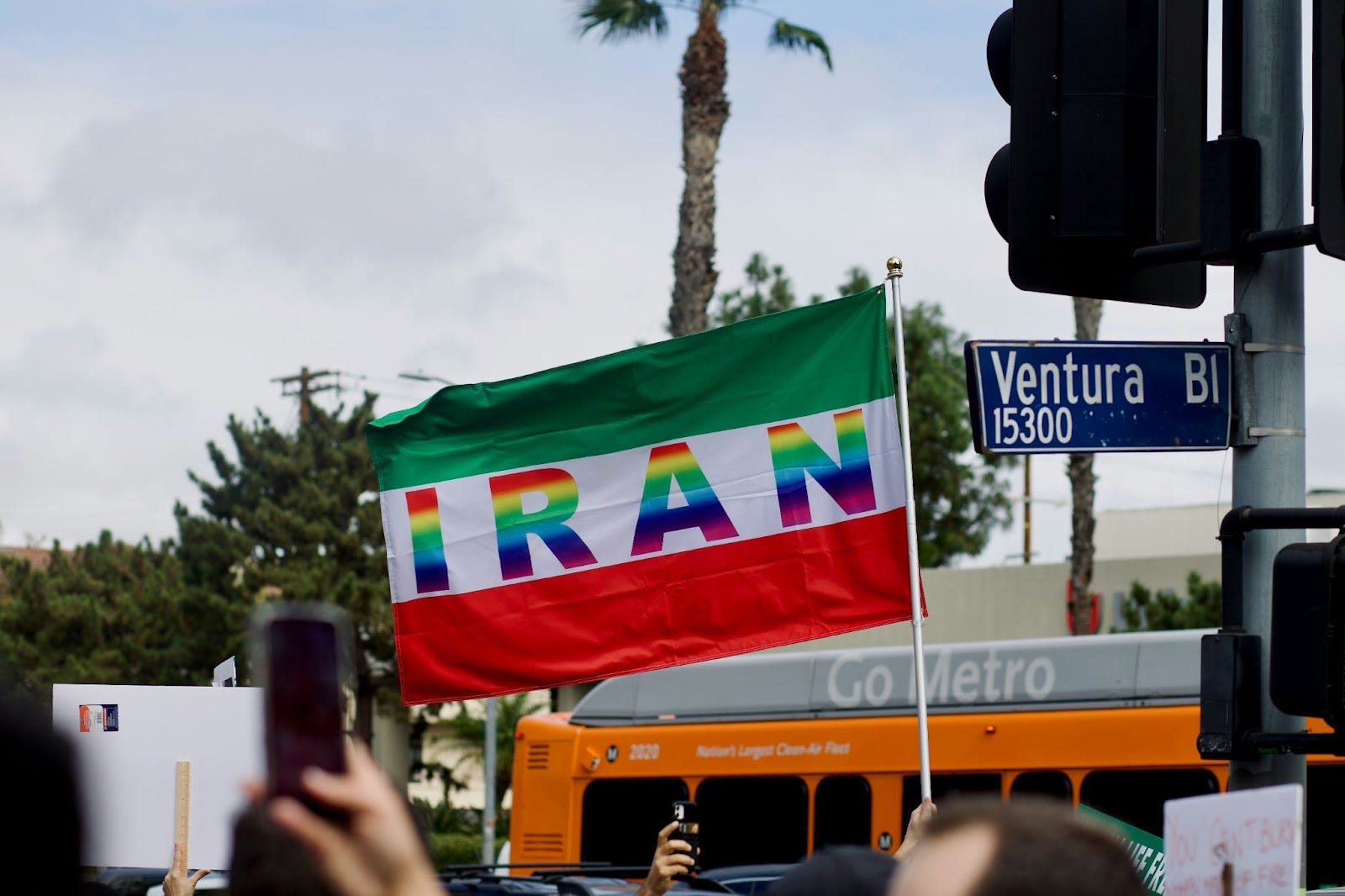
The autumn of 2022 changed this trajectory. When rainbow flags were raised in the streets alongside the slogans of zan, zendegi, azadi – woman, life, freedom – it was not merely symbolic. It was an act of defiance that tore through layers of enforced invisibility. Those moments, fleeting though they were, signalled that queer bodies and voices are integral to the fight against tyranny. They demonstrated that any claim to justice which excludes queer people is already incomplete.
This visibility came at a great cost. Activists who carried rainbow symbols or spoke publicly about queer rights were swiftly arrested. Many remain imprisoned or forced into exile. The state responded with brutality precisely because it recognized the power of what was unfolding: a reconfiguration of political imagination in which queer lives were no longer peripheral. The regime’s fear confirmed our strength.

For queer Iranians, ‘Woman, Life, Freedom’ was the first time in living memory that our presence was undeniable within a mass social movement. It was a rupture in the logic of silence that has governed both state repression and, too often, opposition spaces. Our visibility revealed a truth: that struggles for liberation that exclude minorities are no liberation struggles at all.
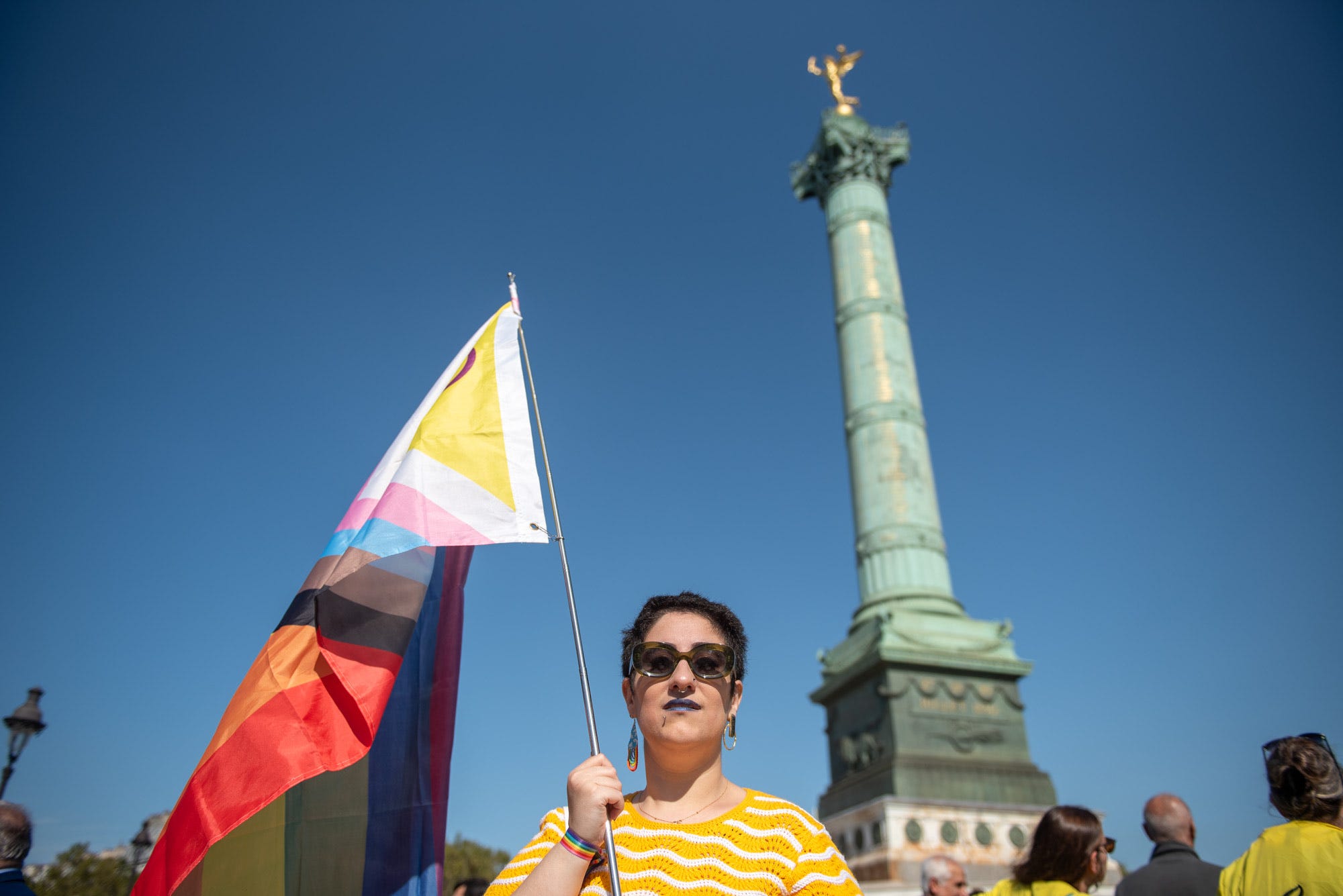
Still, the backlash remains severe. Even among cis-heteronormative activists in exile, one still hears the dismissive question: “Is this really a priority for society?” The answer is unequivocal: yes, it is. Because no movement for freedom can succeed without intersectionality at its core. As long as honor killings persist, as long as queer people face rampant domestic violence, as long as trans people are murdered every year – many of them never even making it into the crime pages, their deaths erased in silence – queer existence in Iran is nothing less than a fight for survival. And that survival takes precedence over every political calculation imposed by a cis-heteronormative worldview.
Woman, Life, Freedom exposed this contradiction and offered a different horizon. For once, the slogans of the streets resonated with queer realities: to demand life without dignity for queer people is meaningless, to demand freedom that erases our bodies is hollow. In that sense, the uprising expanded the very definition of freedom. It allowed us to say, unapologetically, that queer survival and queer joy are central to the Iranian struggle for justice.
This is not to romanticize what has been achieved. The visibility we gained is fragile, precarious, and constantly under attack. Many within Iran continue to face daily violence, forced secrecy, or exile. Yet the rupture cannot be undone. A generation has now witnessed rainbow flags flying under the banner of Woman, Life, Freedom. That memory is imprinted in our collective consciousness, impossible to erase.
The importance of this moment lies not only in what happened but in what it demands of us going forward. It demands solidarity that is intersectional, feminist, and queer-inclusive. It demands that the international community recognize Iranian queer activists as central actors, not footnotes, in the fight for democracy. And it demands that movements inside and outside Iran resist the temptation of a hierarchy of freedoms.
Three years on, the struggle continues. For queer Iranians, survival itself remains resistance. But survival is not enough—we insist on visibility, on joy, on love as forms of political practice. We insist that Woman, Life, Freedom is also Queer, Life, Freedom. Because without us, the promise of freedom is incomplete. With us, it becomes unstoppable.