

Topic
Tag: IRan
-

Who Profits from War in Iran? An Interview with Mehrdad Vahabi
War has not weakened Iran’s ruling apparatus; it has enriched the opaque clerical-military institutions that control oil, trade, confiscated wealth, and public resources. In…
-
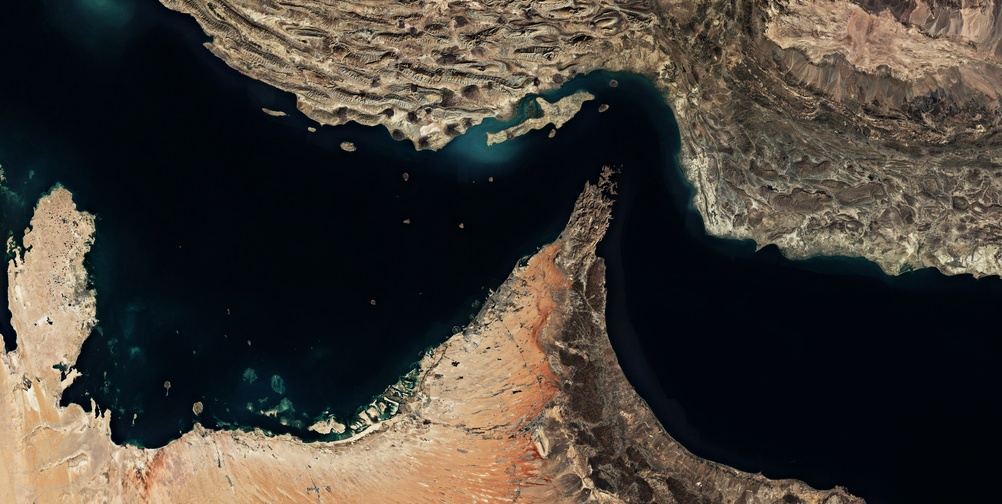
War at the Strait of Hormuz Could Trigger a Global Environmental Disaster
Conflict in the Strait of Hormuz could spark a massive oil spill, devastating Gulf ecosystems, desalination, fisheries, and economies while threatening global energy supplies.…
-
Mehrdad Vahabi: The Current Middle East Crisis Is More Devastating Than All the Oil Shocks in History
Vahabi argues the Hormuz crisis exceeds past oil shocks and may bring inflation, stagnation, and social breakdown in Iran. Mehrdad Vahabi, professor of economics…
-

Decapitation Strike, Mass Retaliation, Regional Spillover: Khamenei and Top Commanders Killed as War Spreads
Strikes reportedly hit Tehran’s leadership compound and military sites nationwide; Iran answered with rapid missile waves as explosions, interceptions, and base alerts spread across…
-

Under Threat, At the Table: Has Trump Dropped the Strike Option?
Amid heightened U.S. military buildup, Tehran signals possible talks. The author argues Trump hasn’t retreated—pressure and diplomacy move together, while Iran negotiates from unprecedented…
-

Why the Islamic Republic of Iran Has Not Collapsed?
The Islamic Republic survives through ideological coalition-building, disciplined crisis management, propaganda, and coercion, exploiting religious authority and social fragmentation to outlast repeated shocks, protests,…
-

Iran’s Political Capitalism and the Western Left’s Hesitation: How a Revolt Gets Filtered Through Ideology
Iran’s “political capitalism” fuses sovereignty and accumulation, fueling recurring revolts. Sanctions and repression create epistemic fog, while campism and “no-lever” activism mute Western-left solidarity…
-

When the Internet Goes Dark, We Go on Air
During Iran’s total communications blackout after the January 8 massacre, Radio Zamaneh returned to shortwave and satellite broadcasts to break isolation and deliver independent…
-

Iran’s January 2026 Crackdown: Disputed Death Tolls, a Prolonged Internet Blackout, and Escalating Repression
Conflicting death and arrest figures, testimony of indiscriminate and targeted shooting, allegations of extortion for bodies, and a prolonged internet blackout point to a…
-

Turning Doctors into Partners in the State Narrative
Eleven days after the crackdown, Pezeshkian urged doctors to align with the official narrative and prioritize “calming” interventions—while hospital accounts describe systematic, targeted lethal…
-

Mass Killing, Then Panic: The Islamic Republic’s Post-Crackdown Crisis
Khamenei’s personalized rule has left the Islamic Republic unprepared for a sudden leaderless crisis; after mass killing and war shocks, the system panics, obsessed…
-

Blood-Soaked Maturity: Grief, Resistance, and Responsibility After the Mass Killings
After mass killings, this essay centers collective responsibility: rejecting reckless calls and war rhetoric by self-appointed leaders abroad, and turning grief into durable, life-protecting…