

Topic
Category: Latest Articles
-
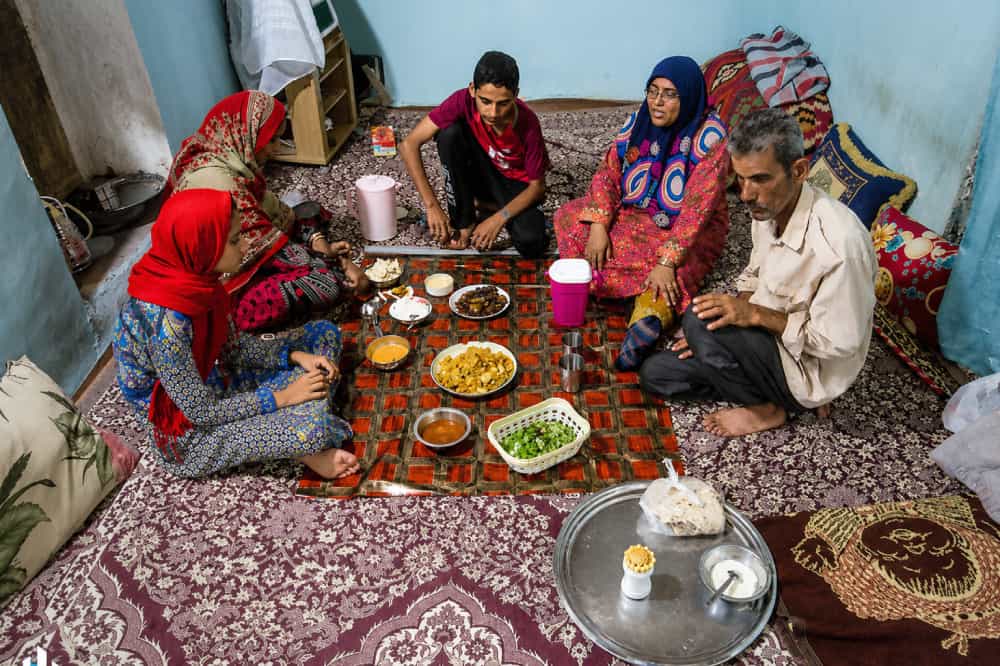
About $3 for a Day’s Labor in Iran: Less Than 250 Grams of Meat
With food inflation above 100 percent, workers’ wages no longer cover even the most basic items on the household table. Under the latest decision…
-
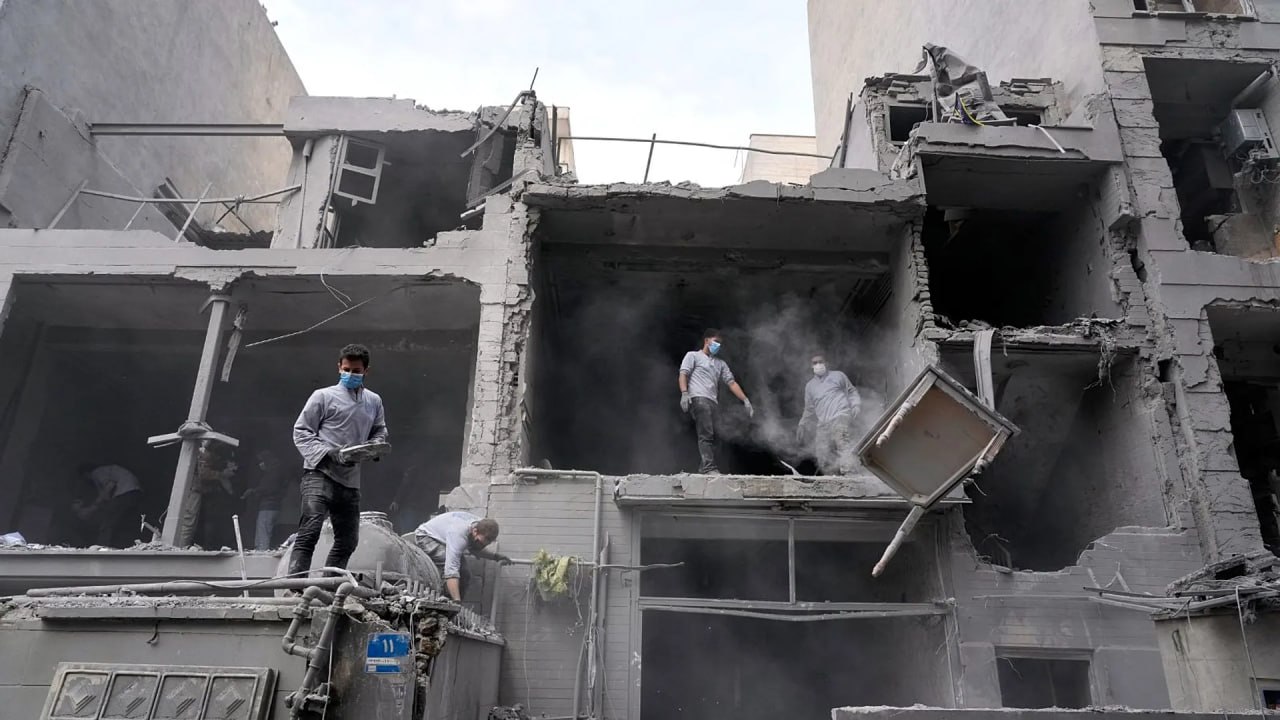
A Field Report from Iran: The Housing Crisis After the War
The war has deepened Iran’s housing emergency: soaring rents, stalled construction, failed state schemes, and millions pushed into residential insecurity. In the fragile ceasefire…
-
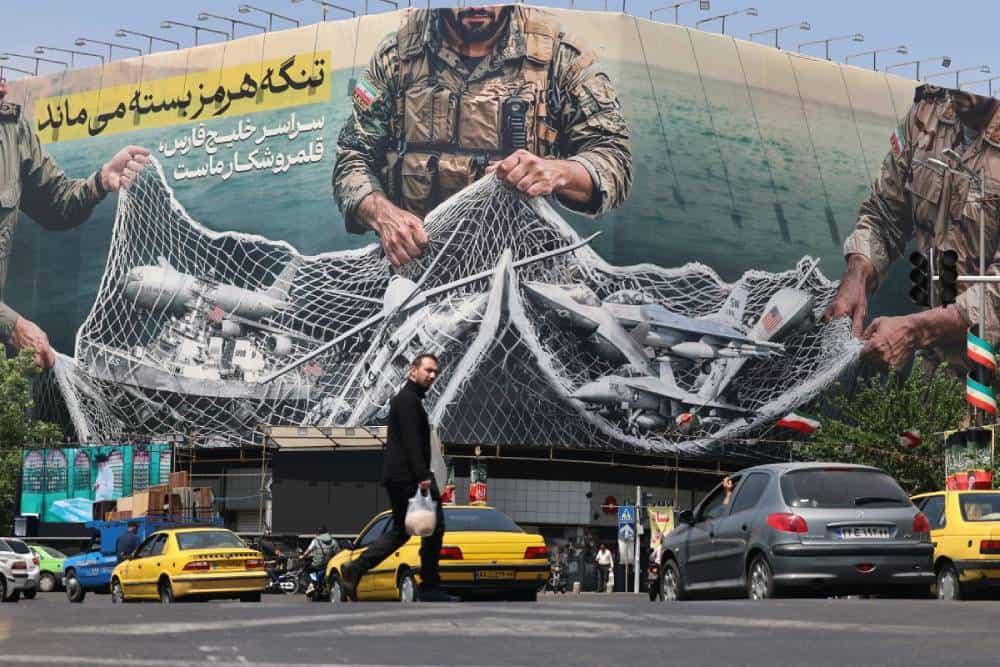
Hormuz, Bab al-Mandab, and the New Age of Cheap Maritime War
Low-cost drones and missiles are eroding the U.S.-led maritime order, allowing smaller actors to threaten chokepoints and global trade. The roughly 16-hour exchange of…
-
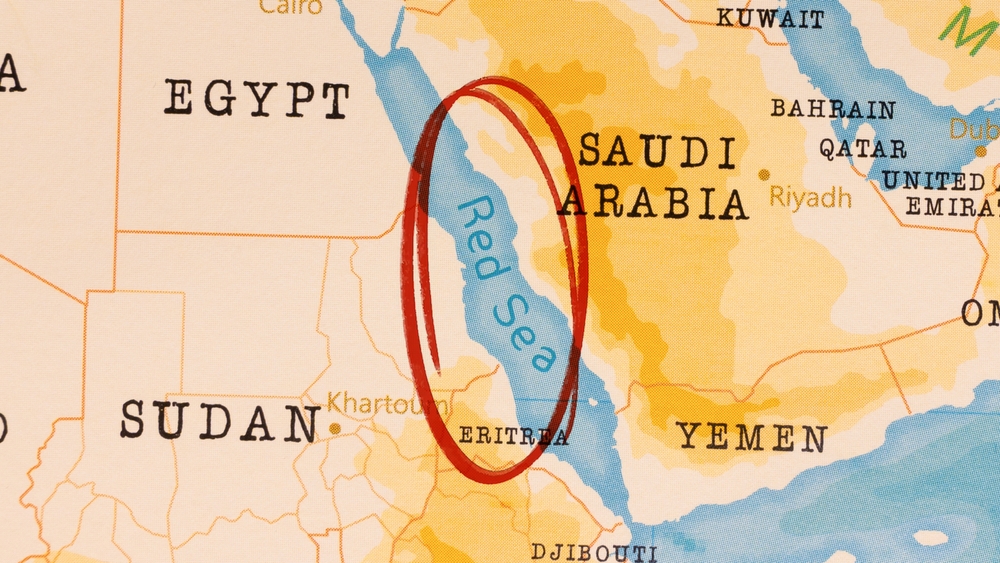
Bab al-Mandab: How a Red Sea Chokepoint Can Shake Oil and Food Markets
A maritime blockade in the Red Sea threatens oil flows, shipping routes, fertiliser supplies, and global food security. How can disruption in a strait…
-
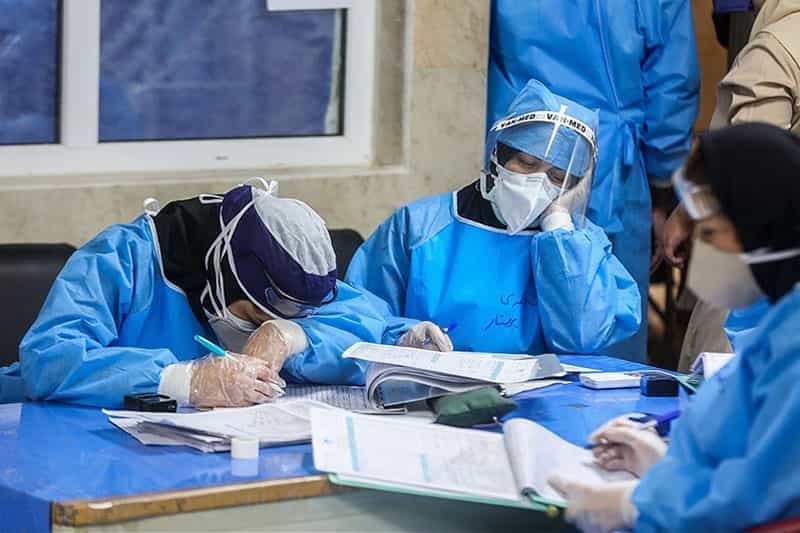
A Field Report from Iran: Nurses Who Carry Life in the Heart of Death
Hospitals become sites of care, exhaustion, repression, and resistance as nurses work through uprising, war, and economic collapse. “We were still in shock from…
-

A Tribute to Marjane Satrapi: What It Means to Die of Grief
A tribute to the Iranian artist whose work turned revolution, exile, and women’s defiance into a universal language of memory. Marjane Satrapi, creator of…
-
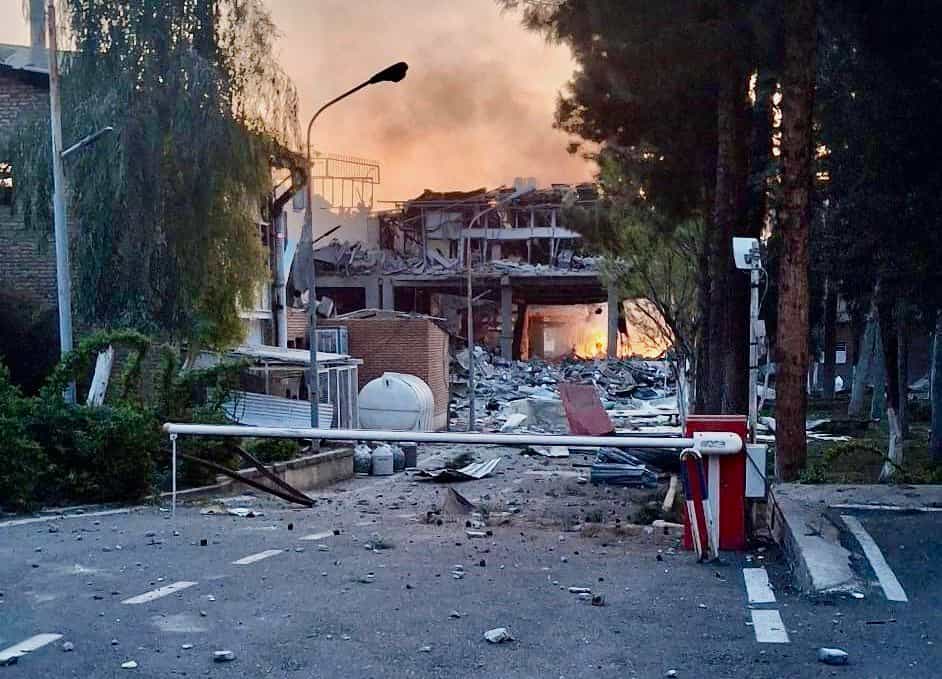
The Destruction of Iran’s Pasteur Institute During the War
The destruction of parts of the main building of the Pasteur Institute of Iran in March and April 2026, during the recent military clashes…
-
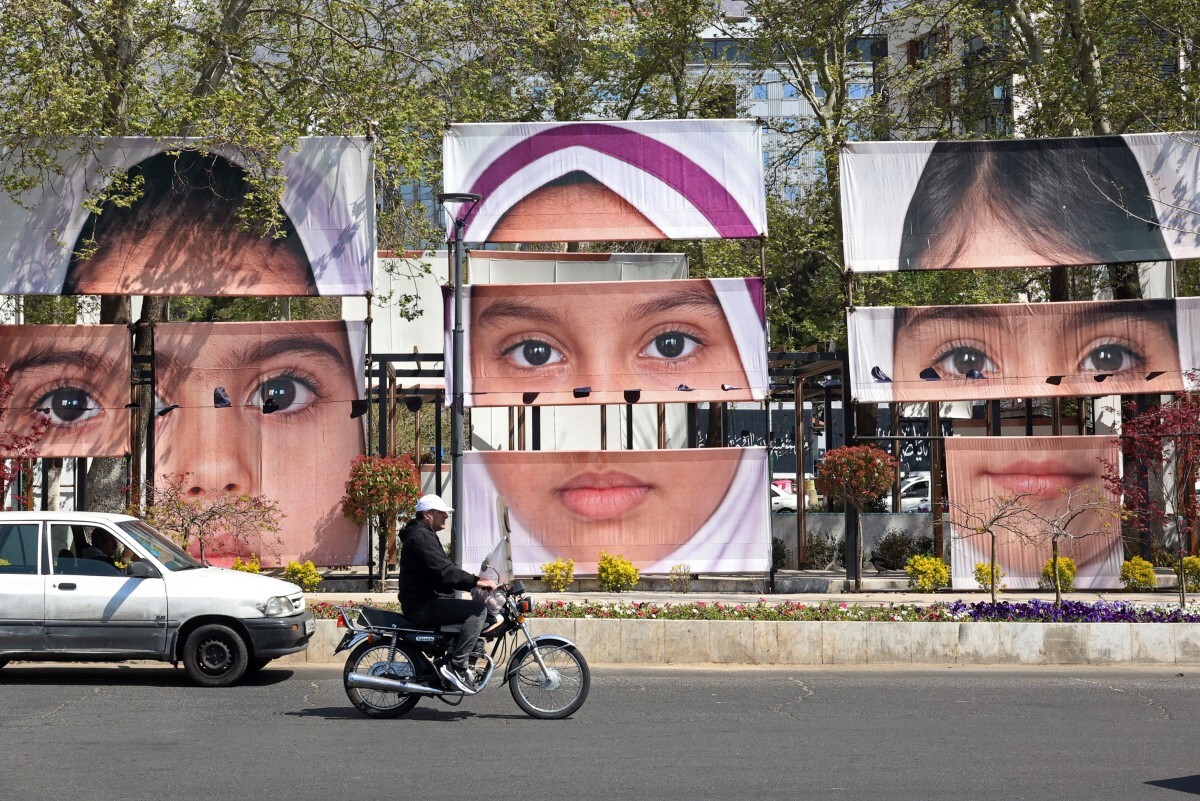
Beyond Missiles: War’s Impact on Children with Disabilities and Additional Support Needs
For many children in Iran, war continues in the body, memory, sleep, fear, and the collapse of fragile routines. The news was brief. It…
-

Executions in Iran: From Protest Cases to the “No to Executions on Tuesdays” Campaign
Iran’s judiciary executed several protest-related prisoners in one week, while prisoners across 56 prisons continued their collective hunger strike against the death penalty. In…
-

Kurdistan, War, and the Failure of Ready-Made Narratives
How Kurdistan became a dominant war narrative, obscuring other military geographies and reducing a living society to a proxy image. During the five-week war…
-
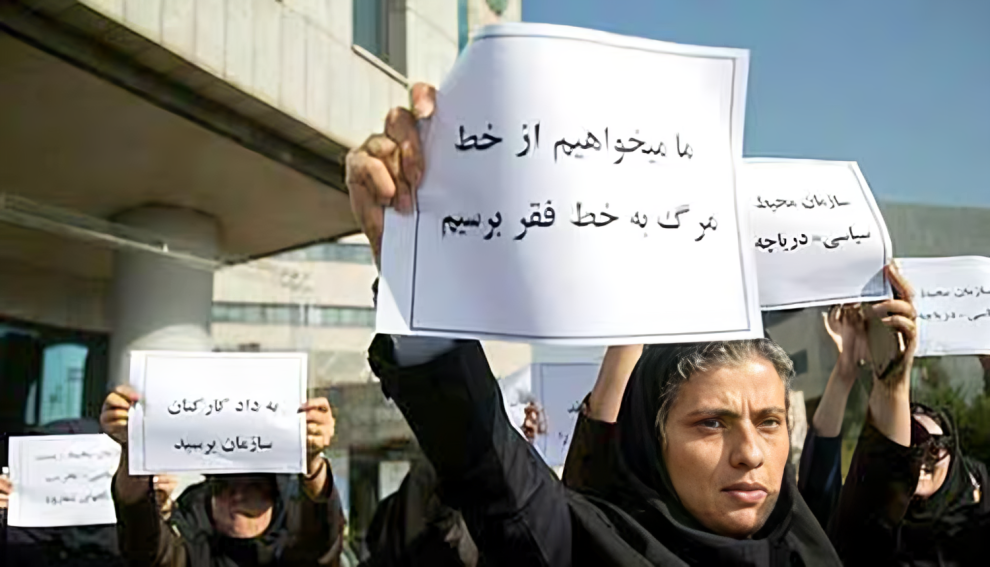
Below the Line of Survival: Sanctions as Warfare, Austerity as Policy
Before the bombs fell, millions in Iran were already being pushed below survival by sanctions, inflation, austerity, and collapsing wages. Before the U.S. and…
-

War Deadlock, Negotiation Deadlock: Is a “Fourth War” Approaching?
Tehran and Washington are trapped in parallel deadlocks, each trying to turn survival, pressure, and escalation into leverage before another possible war. Officials of…