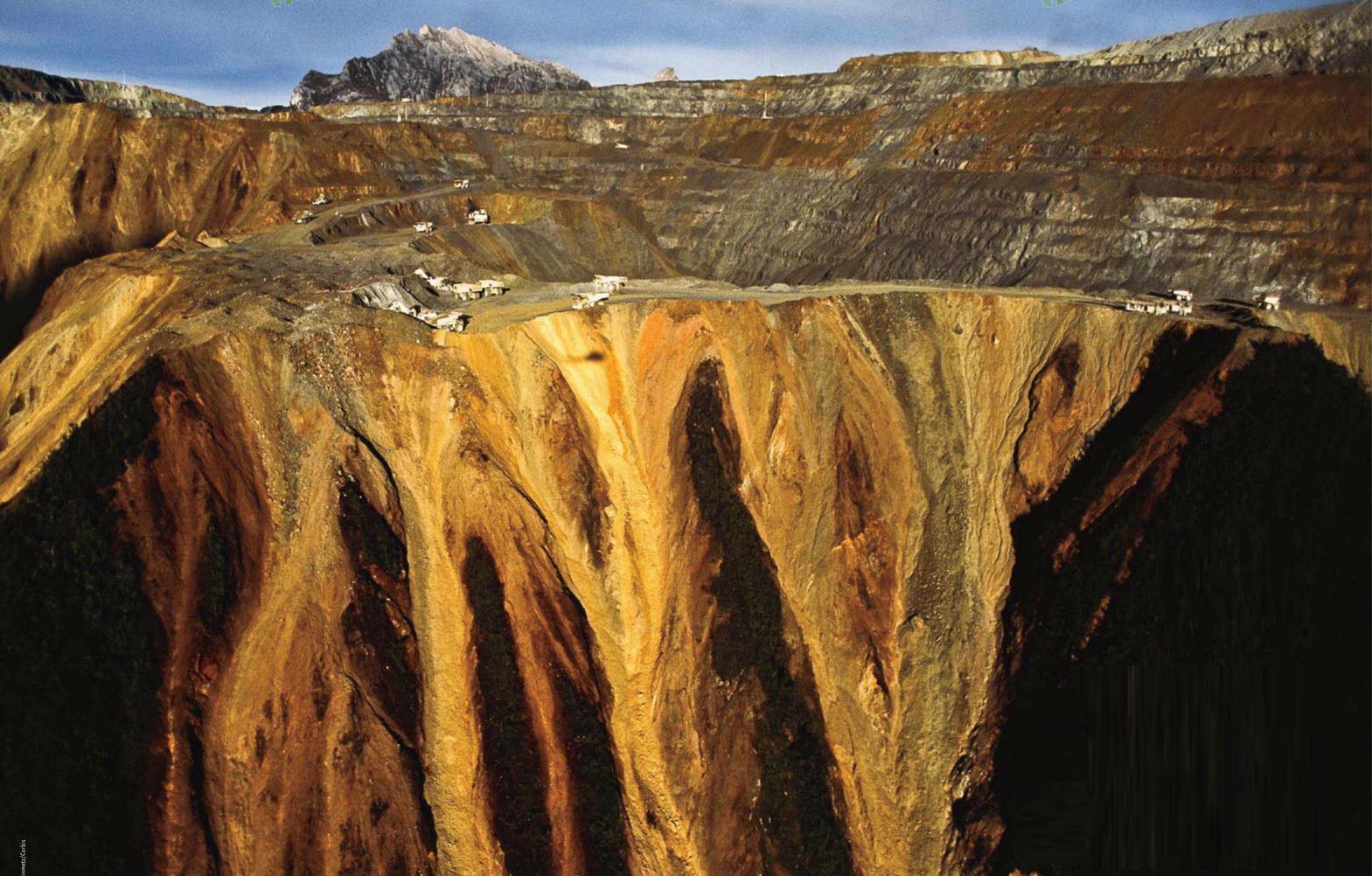
Andirgan is not an isolated episode; it exposes the Islamic Republic’s structural securitization of social, economic, and environmental demands—especially intensified in ethnic regions like Azerbaijan.
At sunset on Sunday, 19 October 2025 (27 Mehr 1404), following protests by residents of Andirgan village, Varzeqan County, East Azerbaijan Province, against the unlawful and destructive operations of the Andirgan gold mine, a violent confrontation erupted between villagers and Special Unit forces stationed in the area. At least four residents, including a 17-year-old, were injured. Reports indicate that security forces, without any warning, fired shotguns loaded with pellet rounds at close range at the protesters.
According to information from local sources, villagers were protesting the installation of new precast concrete barriers by mine officials—an action that, they said, blocked residents’ access routes to orchards, grazing lands, and beeyards. The protest followed years of unanswered complaints about environmental destruction, leakage of chemicals including cyanide, and the exclusion of local labor from employment at the mine.
What Local Sources Witnessed
Local sources confirmed that, at first, dialogue between protesters and law-enforcement officers was de-escalating the situation. However, the intervention of a police officer, Second Lieutenant Behzad Yousefi, who insulted residents as well as his superior, Colonel Saadat, inflamed tensions and led to direct fire on the people.
As a result of the shooting, Ebrahim Jafarian (54), a protester, suffered severe injuries to the kidneys, stomach, and intestines and was admitted to the ICU at Imam Reza Hospital in Tabriz. Javad Dehghan (60), due to pellet injuries to the head and eye, is at the same hospital and faces imminent removal of his right eye. Two others, including a 17-year-old, were discharged after outpatient treatment. Despite the gravity of the incident, local authorities, the Varzeqan governor’s office, and mine managers have so far issued no official explanation.
Violation of the Law
According to Andirgan residents, the Special Unit has been permanently stationed in the area for over a year, effectively restricting residents’ free movement to their agricultural and pastoral lands. Such prolonged military presence in a rural area—to protect a private mine—reveals the state’s securitized response to environmental and livelihood-related demands.
The conduct of security forces in suppressing the environmental protest of Andirgan residents clearly violates Articles 27 and 38 of Iran’s Constitution, which guarantee the right to peaceful assembly and prohibit torture and cruel treatment. Moreover, these actions contravene Articles 19 and 21 of the International Covenant on Civil and Political Rights (ICCPR)—to which Iran acceded in 1975 (1354)—obliging the state to ensure freedom of expression and peaceful assembly.
Separately, the state’s disregard for the economic and environmental rights of local residents and its implicit support for opaque mining activities violate the right to a healthy environment and sustainable development, recognized in the 1972 Stockholm Declaration and Article 12 of the International Covenant on Economic, Social and Cultural Rights (ICESCR).
Securitization of Extractivism in Ethnic Regions
What happened in Andirgan is not an isolated episode; it is emblematic of a structural pattern of securitizing social, economic, and environmental claims—a pattern that, in ethnic regions such as Azerbaijan, assumes intensified dimensions.
The Islamic Republic of Iran must immediately conduct an independent and transparent investigation into the Andirgan incident and prosecute the direct perpetrators and those who ordered the shooting of civilians, including Second Lieutenant Behzad Yousefi. In addition, the state must end the permanent deployment of the Special Unit in the area, guarantee residents’ lawful rights to free access to natural resources and their lands, and, with the participation of local communities, place mining operations under environmental and social oversight.
The Islamic Republic on the Wrong Side of History
The complete drying of Lake Urmia has shown that protesters stood on the right side of history, while the Islamic Republic stood on the wrong side—in two ways: first, through security and judicial crackdowns on protesters’ demands, and second, through neglect of Lake Urmia’s drying.
UN oversight mechanisms, including Special Rapporteurs on the rights of peaceful assembly, minority issues, and environmental defenders, must respond urgently to this incident and call for a review of the condition of the wounded. The international community should also press the Iranian government to end the securitization of social and environmental protests and to enable civil dialogue with local communities to achieve environmental justice.