

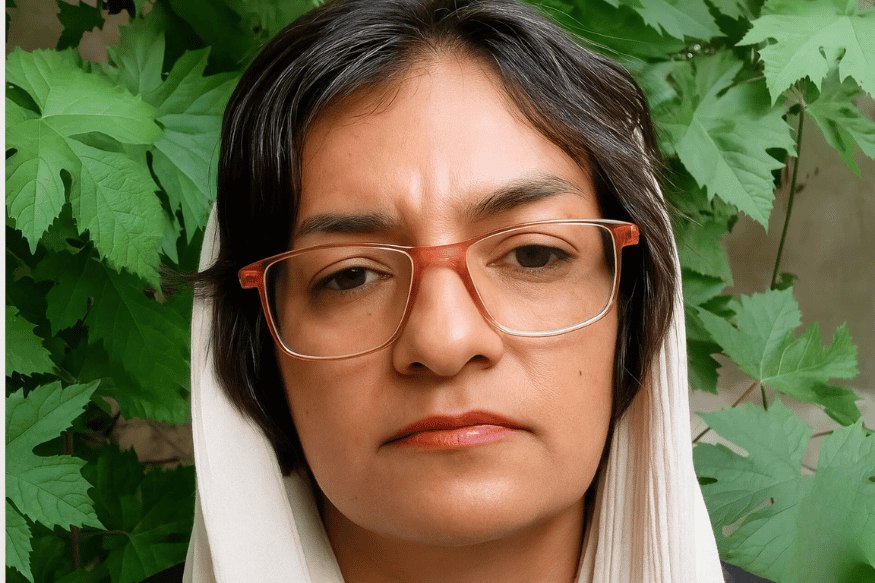
Political prisoner Somayeh Rashidi, 42, died in Qarchak Prison after months of denied medical care. Her death highlights systemic neglect in Iran’s prisons, long notorious for inhumane conditions, and renews calls for Qarchak’s closure amid mounting testimonies of abuse, violence, and preventable deaths.
Somayeh Rashidi, a 42-year-old political prisoner with epilepsy, died on Thursday, 25 September 2025 (3 Mehr), after months of denied and delayed medical care. Arrested in May 2025 on the charge of “propaganda against the state” for writing political graffiti as an act of dissent, she was first held in Evin prison before being transferred to Qarchak prison, south of Tehran. There, repeated seizures went untreated or were dismissed by prison staff as malingering. Her death has renewed scrutiny of Qarchak’s conditions and of systemic medical neglect in Iran’s prisons.
What happened in Qarchak: a death following denied care
According to multiple human rights sources and political prisoners inside Qarchak, Rashidi suffered several severe epileptic seizures in custody. Despite this, officials repeatedly delayed hospital transfers or substituted sedatives for treatment. In mid-September, following a forensic medical assessment, she reportedly suffered another seizure. Instead of being taken directly to hospital, she was first returned to the ward to change clothes. During this delay, her condition worsened and she fell into a coma.
She was transferred to Mofatteh Hospital in Varamin on 16 September as her condition deteriorated. Doctors assessed her level of consciousness as extremely low and said there was no prospect of recovery. By 19 September she was in a coma, and she died on 25 September.
Human rights monitors report that Rashidi’s family has been pressured to attribute her death to “hospital error” rather than custodial neglect. In official statements, the Judiciary attributed her death to “pre-existing health problems,” echoing the state narrative following the death of Jina (Mahsa) Amini. State media propaganda also sought to discredit Rashidi by alleging affiliation with the “Monafeqin,” the regime’s pejorative term for the Mojahedin-e Khalq, an opposition group banned in Iran.
Rashidi’s case is not isolated. On 18 September, another woman, Jamileh Azizi, died in Qarchak after being denied timely medical attention, despite having been granted bail more than a week earlier. On 16 September (25 Shahrivar), Sudabeh Asadi, imprisoned on a financial charge, also died in Qarchak after being denied medical treatment, according to HRANA. Judicial officials and prison authorities have not commented on these cases.
These deaths reveal a recurring pattern rather than isolated incidents. As 150 former political prisoners wrote in a joint statement: “Somayeh Rashidi’s death was systematic”—a result of deliberate denial of medical care as a means of slow killing and added pressure on political prisoners. This pattern is especially evident in Qarchak Prison, notorious for the mistreatment, harassment, and torture of detainees, particularly women.
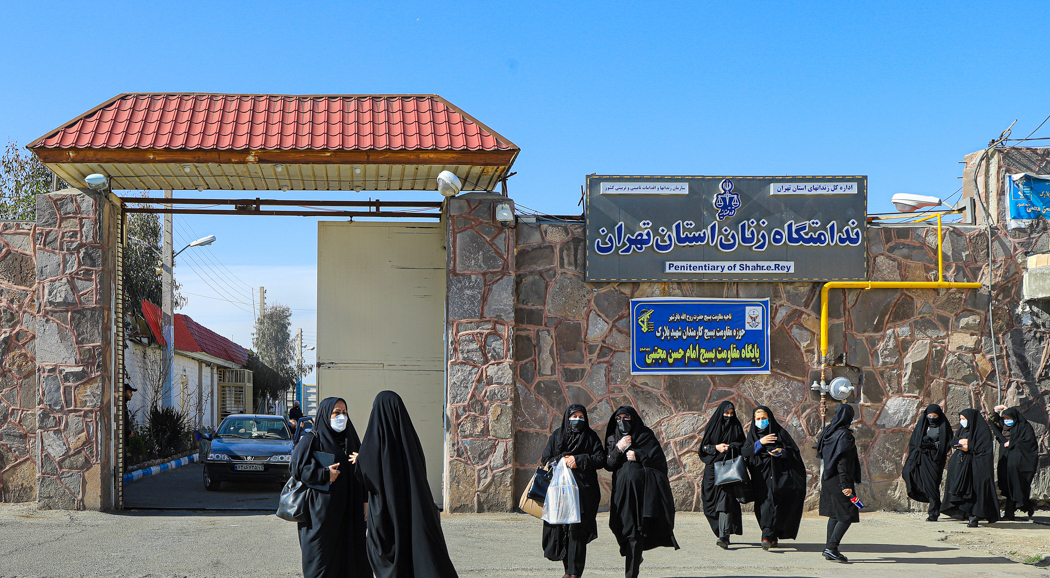
Qarchak Prison: context and conditions
Qarchak Women’s Prison, also known as the Greater Tehran Women’s Prison, lies in the arid plains southeast of Tehran, about 40 miles away, in the Varamin area. Originally not designed as a prison—reports suggest it was once a poultry farm—its conversion into a women’s detention facility has been widely criticized.
The prison holds more than 1,200 women convicted of offenses ranging from theft and drug trafficking to violent crimes, yet political prisoners are routinely transferred there and housed without separation from other categories of inmates.
Conditions are consistently described as dire: extreme overcrowding, poor ventilation, inadequate toilet and sanitary facilities (in some wards, only two toilets for more than 200 women), lack of clean drinking water, frequent power outages, and systematic denial of essential medical care.
Several human rights groups have likened Qarchak to a “second Kahrizak” (a notorious detention center) because of its harsh and degrading conditions for women prisoners. Its remote desert location also makes family visits difficult, compounding the isolation and hardship faced by inmates.
Iran Human Rights: close Qarchak now
Iran Human Rights (IHR) has publicly called for the immediate closure of Qarchak Prison, accusing it of maintaining inhumane and life-threatening conditions. In statements, IHR says at least two women, including Somayeh Rashidi, have died there recently due to medical neglect, and warns that hundreds more remain in peril.
Mahmood Amiry-Moghaddam, director of IHR, is urging the formation of an independent fact-finding committee to examine the deaths and the broader medical neglect in the prison system. He stresses that responsibility ultimately lies with the Prisons Organization, the head of the Judiciary, and, he argues, the Supreme Leader.
IHR underscores that Qarchak’s record of lethal neglect is not new. It cites prior deaths such as that of Farzaneh Bijanipour in December 2024, allegedly following repeated refusals by authorities to permit hospital transfer.
In past reports, IHR has described Qarchak as “hell for women and children,” and has repeatedly appealed to international bodies to intervene. Closing Qarchak, they argue, is not only essential for protecting prisoners, but also a test of commitment to justice and human dignity.
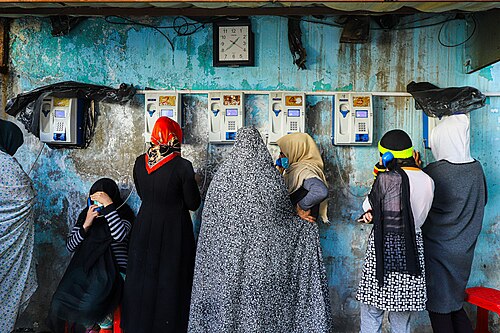
Inside Qarchak: testimonies from prisoners and journalists
For more than a decade, accounts of Qarchak’s conditions have painted a picture of systematic neglect and abuse. When several political prisoners were moved there in 2011, they described vast hangars crammed with over 200 women each, without ventilation, with sewage odors causing respiratory problems, and with only two toilets and two showers for hundreds of people. Shortages were so severe that some prisoners were forced to relieve themselves in the aisles between beds.
Former political prisoner and lawyer Negar Haeri has said: “People there are completely cut off from the outside world. It is the end of the world.” Journalist Jila Bani-Yaghoub wrote that Qarchak “does not even resemble a prison” but “a ruin.”
More recent testimonies confirm these conditions. Prisoners say drinking water is salty—even tea tastes of salt—and many must buy bottled water at their own expense. Overcrowding and lack of sanitation are routine; some women sleep on the floor, and wards are at times denied outdoor time for weeks. Former inmates report that staged visits for officials only show a cleaned-up wing near the entrance, concealing the true conditions inside.
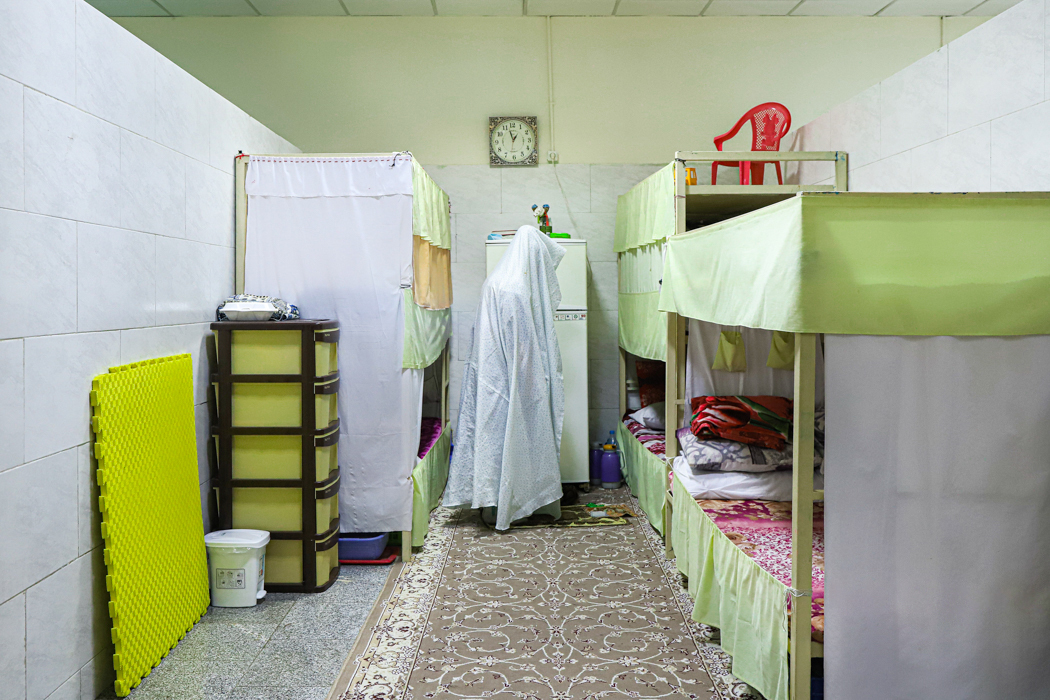
Maryam Akbari Monfared: “This is not a prison—it’s a ruin”
In November 2024 (Ābān 1403), political prisoner Maryam Akbari Monfared—detained since 2009—was transferred to Qarchak from Semnan Prison. In her account, more than 120 women share a single bathroom in Ward 6, which has been denied fresh-air breaks for months. She calls Qarchak “not even like a prison, but a ruin,” worse even than Semnan, which she had previously described as “hellish.” She also points to women trapped beyond their legal release dates because their files have been “lost.”
Women, Life, Freedom: violence and humiliation
Testimonies from the 2022–2023 Women, Life, Freedom uprising describe systematic violence against women detainees. One former prisoner told Zamaneh:
“Women who were beaten were dragged across the asphalt and left without medical care. Their legs were injured, their hands cuffed and bruised. I remember a girl with short hair who was arrested; they beat her mercilessly, even stripping her to check whether she was a girl or a boy.”
According to the same source, women detainees were held in detention facilities under such conditions before being transferred to Qarchak’s quarantine and later to Ward 8.
The source also reported a case of sexual assault against a Christian woman in Qarchak’s quarantine:
“She was subjected to such severe physical violence that she lost five teeth. Her hands and feet were brutally beaten with boots, and she was raped. They used electric shocks on her until she could barely speak—she looked like a dead person. Out of fear that she might die in custody, they released her on heavy bail.”
Another testimony describes the humiliation of a young woman during transfer:
“She was arrested and placed in a vehicle between two Basijis. Her hands were tied behind her back in a degrading way, and they told her to hold them as if she were clutching the officers’ genitals. When she was taken out of the car, they forced her to smell their crotches. It was one of the most shocking moments women experienced in those days in Qarchak.”
A systemic failure of care—and accountability
Rashidi’s death fits this broader pattern: medical crises minimized as “simulation,” urgent transfers delayed, and sedatives used instead of treatment. Iran’s Prisons Organization is legally responsible for prisoners’ health, but in practice accountability is absent. IHR has demanded an independent investigation and the closure of Qarchak.
Until that happens, the risk remains: more women will die in custody, and the truth will be buried with them.