Radio Zamaneh
  • Home
  • Advertise
  • About Zamaneh Media
    • Sponsors
    • Donate
    • Vacancies
    • Contact us
    • Legal
    • Republishing Guidelines
No Result
View All Result
  • Home
  • Advertise
  • About Zamaneh Media
    • Sponsors
    • Donate
    • Vacancies
    • Contact us
    • Legal
    • Republishing Guidelines
No Result
View All Result
Radio Zamaneh
No Result
View All Result

Iranian authorities restrict work with satellite networks

by Zamaneh Media
November 26, 2011
in Latest Articles
Reading Time: 2 mins read
0
Iranian authorities restrict work with satellite networks
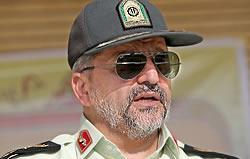
Ahmadi Moghaddam

The head of Iran’s security forces says Persian-language satellite networks are the “control room of disturbances” in Iran.

The Shargh newspaper cited Brigadier General Ahmadi Moghaddam as saying: “Satellite networks, especially the Persian-language ones, are mainly financed by the intelligence services of Iran’s enemies and are used to create cultural and political change in the country.”

Iranian authorities recently announced that any collaboration with the British Broadcasting Corporation or Voice of America is akin to working for “the enemy’s intelligence services.”

Moghaddam indicated that documentary makers, music groups and singers “can only collaborate with official and non-Persian satellite networks after acquiring the necessary permit from the Ministry of Culture and Guidance.”

In recent months, Iranian authorities arrested a number of journalists and documentary makers on the charge of “collaboration with Persian BBC.”

Most recently, Hassan Fathi was detained in Tehran about two weeks ago for giving an interview to the BBC about the explosion in a Revolutionary Guards garrison near Tehran.

When the Fars news agency reported that arrest, it referred to Fathi as a BBC reporter; however, the BBC says it has no employees or collaborators in Iran and that it interviewed Fathi, like many other journalists, academics and other figures in Iran, as an independent analyst.

Mehdi Afsharnik, Ali Akrami, Mohammad Heydari and Amirali Allamehzadeh are four other Iranian journalists arrested in Tehran in October, charged with collaborating with the BBC.

Since then, Afsharnik, Akrami and Heydari have been released but Allamehzadeh remained in custody.

Another six documentary makers were arrested in September for similar charges, and while five of them were gradually released, Mojtaba MirTahmasb remains behind bars, and his arrest warrant has been renewed for another two months.

Related Posts

Hormuz, Bab al-Mandab, and the New Age of Cheap Maritime War
Economy

Hormuz, Bab al-Mandab, and the New Age of Cheap Maritime War

June 11, 2026
Bab al-Mandab: How a Red Sea Chokepoint Can Shake Oil and Food Markets
Economy

Bab al-Mandab: How a Red Sea Chokepoint Can Shake Oil and Food Markets

June 11, 2026
A Field Report from Iran: Nurses Who Carry Life in the Heart of Death
Economy

A Field Report from Iran: Nurses Who Carry Life in the Heart of Death

June 11, 2026
A Tribute to Marjane Satrapi: What It Means to Die of Grief
Featured Items

A Tribute to Marjane Satrapi: What It Means to Die of Grief

June 11, 2026
The Destruction of Iran’s Pasteur Institute During the War
Human Rights

The Destruction of Iran’s Pasteur Institute During the War

June 3, 2026
Beyond Missiles: War’s Impact on Children with Disabilities and Additional Support Needs
Featured Items

Beyond Missiles: War’s Impact on Children with Disabilities and Additional Support Needs

June 3, 2026
Radio Zamaneh

© 2026 Zamaneh Media

More information

  • Sponsors
  • About us
  • Contact us
  • Other ways to give
  • Legal

Follow Us

When The Internet Goes Dark, We Go On Air... Donate in:
USD EUR / All Currencies

When The Internet Goes Dark, We Go On Air...Donate in:
USD EUR / All
No Result
View All Result
  • Home
  • Advertise
  • About Zamaneh Media
    • Sponsors
    • Donate
    • Vacancies
    • Contact us
    • Legal
    • Republishing Guidelines

© 2026 Zamaneh Media