

Radio Zamaneh
  • Home
  • Advertise
  • About Zamaneh Media
    • Sponsors
    • Donate
    • Vacancies
    • Contact us
    • Legal
    • Republishing Guidelines
No Result
View All Result
  • Home
  • Advertise
  • About Zamaneh Media
    • Sponsors
    • Donate
    • Vacancies
    • Contact us
    • Legal
    • Republishing Guidelines
No Result
View All Result
Radio Zamaneh
No Result
View All Result

UN special rapporteur can visit Iran: Larijani

by Zamaneh Media
May 17, 2011
in Latest Articles
Reading Time: 2 mins read
0
UN special rapporteur can visit Iran: Larijani
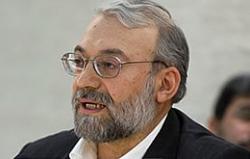
Mohammad Javad Larijani

The head of Iran’s Human Rights Council says Iran has no objection to the United Nation’s special rapporteur visiting Iran.

Mohammad Javad Lairijani said in a meeting with the Japanese Ambassador: “Iran is maintaining its position of welcoming all reporters and has no problem with their visiting Iran.”

He claimed seven rapporteurs have so far been welcomed in Iran, adding that Iran is critical of the lack of professionalism and technical precision of the ensuing reports.

“Iran’s stance regarding the reporting mechanism of the Human Rights Council, especially regarding UPR [the UN’s Universal Periodic Review], is positive and supportive,” Larijani said. “However, by using transparent and accurate methods, we must not allow the reporting mechanism to be turned into a propaganda machine.”

The UPR is a review of the human rights report cards of United Nation’s member states, published every four years to improve human rights in the world.

“If a rapporteur travels to Iran in order to review 200 cases but only has a three-day stay, then we know that the job will not have a strong process and will lack professionalism,” Larijani said.

He added that Iran is more than ready for all forms of international cooperation because it is confident in the oversight of its judicial system.

On March 24, the United Nation’s Human Rights Council in Geneva agreed to appoint a special human rights rapporteur for Iran for the first time in 10 years.

Of the 47 members nations, 22 voted for the move while 14 rejected it and seven states abstained.

The council cited the “oppression of dissidents” and a “surge in executions in Iran” as the reasons for its decision.

Iran condemned the resolution and described it as a political move prompted by U.S. pressure.

Related Posts

Hormuz, Bab al-Mandab, and the New Age of Cheap Maritime War
Economy

Hormuz, Bab al-Mandab, and the New Age of Cheap Maritime War

June 11, 2026
Bab al-Mandab: How a Red Sea Chokepoint Can Shake Oil and Food Markets
Economy

Bab al-Mandab: How a Red Sea Chokepoint Can Shake Oil and Food Markets

June 11, 2026
A Field Report from Iran: Nurses Who Carry Life in the Heart of Death
Economy

A Field Report from Iran: Nurses Who Carry Life in the Heart of Death

June 11, 2026
A Tribute to Marjane Satrapi: What It Means to Die of Grief
Featured Items

A Tribute to Marjane Satrapi: What It Means to Die of Grief

June 11, 2026
The Destruction of Iran’s Pasteur Institute During the War
Human Rights

The Destruction of Iran’s Pasteur Institute During the War

June 3, 2026
Beyond Missiles: War’s Impact on Children with Disabilities and Additional Support Needs
Featured Items

Beyond Missiles: War’s Impact on Children with Disabilities and Additional Support Needs

June 3, 2026
Radio Zamaneh

© 2026 Zamaneh Media

More information

  • Sponsors
  • About us
  • Contact us
  • Other ways to give
  • Legal

Follow Us

When The Internet Goes Dark, We Go On Air... Donate in:
USD EUR / All Currencies

When The Internet Goes Dark, We Go On Air...Donate in:
USD EUR / All
No Result
View All Result
  • Home
  • Advertise
  • About Zamaneh Media
    • Sponsors
    • Donate
    • Vacancies
    • Contact us
    • Legal
    • Republishing Guidelines

© 2026 Zamaneh Media