

Radio Zamaneh
  • Home
  • Advertise
  • About Zamaneh Media
    • Sponsors
    • Donate
    • Vacancies
    • Contact us
    • Legal
    • Republishing Guidelines
No Result
View All Result
  • Home
  • Advertise
  • About Zamaneh Media
    • Sponsors
    • Donate
    • Vacancies
    • Contact us
    • Legal
    • Republishing Guidelines
No Result
View All Result
Radio Zamaneh
No Result
View All Result

Iranian judiciary wants number of prisoners reduced

by Zamaneh Media
March 3, 2011
in Latest Articles
Reading Time: 2 mins read
0
Iranian judiciary wants number of prisoners reduced
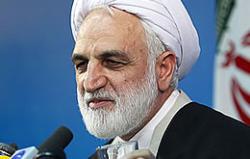
Gholamhossein Mohseni Ejei

Iranian judiciary and prison authorities have expressed concern over the surge in the number of prisoners and called on Iranian prosecutors to reduce the number of arrests.

Iran’s Prosecutor Gholamhossein Mohseni Ejei told a gathering of prosecutors yesterday: "I ask that while firmly dealing with dangerous criminals, prosecutors pay attention that those who need not be imprisoned are not detained."

Gholamhosein Esmaili, the head of Iran’s prison system told the gatheirng  that in the past 18 months, the prison population has increased by about 55,000 inmates, but no additional space has been allotted to prison authorities to accommodate this increase.

Esmaili said the total prison population is 220,000 inmates, which includes 70,000 prisoners awaiting sentencing. He added that each year 65,000 detainees are acquitted or have their charges dropped.

Ebrahim Raisi, the first deputy of the judiciary, said: “It is not right for the prosecutor to detain people before their crimes have been identified.” He advised prosecutors to try to reduce the number of detainees and refrain from arresting people without cause.

He added that sometimes just “to put a loud detainee in his or her place, they put them under arrest and this is not correct.”

He informed the prosecutors that the head of the judiciary has ordered each province to establish special panels to review detainee cases, with the goal of processing cases that have been pending for more than four months.

Following the election protests in 2009, the government arrested thousands of protesters. Many of them have reported dire prison conditions such as cramped living and sleeping areas and a lack of hygiene facilities.

Related Posts

Two Narratives of the January Massacre
Latest Articles

Two Narratives of the January Massacre

February 12, 2026
After Khamenei: Power Scenarios in a Crisis-Ridden Iran
Latest Articles

After Khamenei: Power Scenarios in a Crisis-Ridden Iran

February 12, 2026
Under Threat, At the Table: Has Trump Dropped the Strike Option?
International Relations

Under Threat, At the Table: Has Trump Dropped the Strike Option?

February 5, 2026
Gunpowder in the Body’s Memory: A narrative from inside Iran
Human Rights

Gunpowder in the Body’s Memory: A narrative from inside Iran

January 29, 2026
When the Internet Goes Dark, We Go on Air
Featured Items

When the Internet Goes Dark, We Go on Air

January 29, 2026
Mass Killing, Then Panic: The Islamic Republic’s Post-Crackdown Crisis
Latest Articles

Mass Killing, Then Panic: The Islamic Republic’s Post-Crackdown Crisis

January 22, 2026
Radio Zamaneh

© 2024 Zamaneh Media

More information

  • Sponsors
  • About us
  • Contact us
  • Other ways to give
  • Legal

Follow Us

When The Internet Goes Dark, We Go On Air... Donate in:
USD EUR / All Currencies

When The Internet Goes Dark, We Go On Air...Donate in:
USD EUR / All
No Result
View All Result
  • Home
  • Advertise
  • About Zamaneh Media
    • Sponsors
    • Donate
    • Vacancies
    • Contact us
    • Legal
    • Republishing Guidelines

© 2024 Zamaneh Media