
Iranian media report that seven people in the country have died after contracting the Crimean-Congo haemorrhagic fever.
Most victims of the viral disease have been identified in the eastern provinces, but reports indicate that the virus has been detected in 27 of Iran’s 31 provinces.
The Mehr News Agency reports on Sunday that the head of the Pasteur Institute labs in Tehran announced that since the beginning of the Iranian year in March, 29 people have contracted the Crimean Congo fever and seven of them have died from it. He confirmed that the virus has been identified in 27 provinces.
The Mehr report adds that top Health Ministry officials have so far confirmed that two deaths can be attributed to this disease.
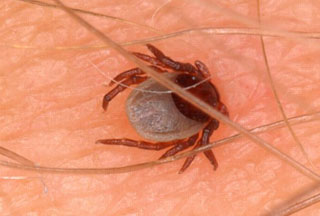
The Crimean-Congo hemorrhagic fever (CCHF) is a severe viral disease communicated to human through animals, especially ticks.
The first signs are flu-like symptoms such as fever, aching muscles, dizziness, neck pain and stiffness, headaches and soreness of eyes. It may also result in mood swings, depression, confusion and aggression.
Later symptoms are severe bleeding through the skin from a rash or internal bleeding that may lead to death.
Iranian health officials say last year there were 87 cases of CCHF infection, 15 of which were fatal, and in the previous year, 154 cases were reported and 26 deaths.
In recent weeks, after the presence of CCHF was confirmed in Iran’s eastern provinces, some cases were also reported in Tehran, with two of them turning critical.
Despite the reports, health officials stressed that Tehran was not facing an outbreak of CCHF, and the cases reported in the capital had been transferred from other cities for treatment.
Infected livestock entering the country through eastern borders is said to be the main cause of the CCHF outbreak, and spraying them has been suggested as an effective way of halting the spread.
Suggested ways to stop the contagion include using gloves when handling meat and keeping meat in a freezer for 48 hours before consumption.
CCHF has no cure, but treatment of the symptoms usually leads to the patients’ recovery. The World Health Organization puts the disease’s mortality rate at 30 percent.