

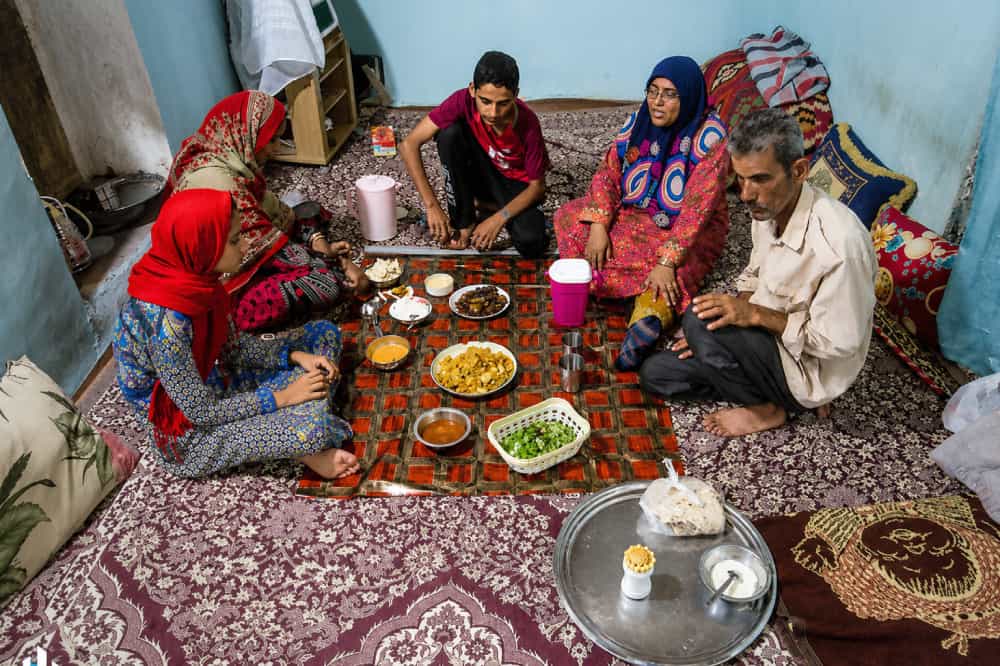
With food inflation above 100 percent, workers’ wages no longer cover even the most basic items on the household table.
Under the latest decision by the Supreme Labor Council, workers’ daily wage this year has reached 554,000 tomans, about $3.15 at the open-market exchange rate. On paper, this marks a significant increase from last year. In practice, however, a full eight-hour workday still does not buy even 250 grams of red meat. The gap between wages and the real cost of living reflects the intensity of the pressure now weighing on workers’ lives in Iran.
In today’s market, one kilogram of premium lamb leg costs up to around 2.38 million tomans, about $13.60. This means that a worker’s daily wage is worth only about 230 grams of meat — a stark contradiction that shows how nominal wage growth has been rendered almost meaningless by the surge in prices.
A field report by the Iranian Labor News Agency offers a bleak picture of workers’ lives: not of dreams of buying a home or a car, but of the constant struggle to afford daily food. The report describes workers taking on multiple shifts and cutting meals simply to survive, while still being unable to cover even minimal living costs.
One young worker, earning around 25 million tomans a month, about $143, says that even the dream of buying a motorcycle would require ten months of work without spending anything at all. In reality, saving is almost impossible. He describes his situation simply: “I can barely afford bread for the night.”
This situation is not limited to single workers. Married workers and retirees are living under even harsher conditions. Yadollah Faraji, a retired workers’ union activist, points to the severe gap between wages and living costs, stressing that many families are struggling even to provide one simple meal. This, he says, is the result of years of economic liberalization and price deregulation without any effective protection for wage earners.
The rise in red meat prices shows how severe the collapse in purchasing power has become. Over the past three years, the price of one kilogram of lamb leg has risen from around 700,000 tomans, about $4, to more than 2 million tomans, about $11.40. Compared with wage growth, this jump has created a widening gap between income and basic expenses. Although workers’ daily pay has increased during this period, their ability to buy meat has not been preserved; this year, it has fallen to its lowest level.
Fruit Also Leaves the Table
The fruit market has also entered one of its most expensive periods in recent memory, pushing many seasonal fruits effectively out of reach for middle- and low-income households.
A market survey by Mizan News Agency shows that one kilogram of cherries or apricots is being sold for up to around 700,000 tomans, about $4, while peaches, nectarines, and several other summer fruits have approached 500,000 tomans, about $2.85, per kilogram. Bananas are being sold at around 380,000 tomans per kilogram, about $2.15.
Agricultural producers say the sharp rise in production costs is one of the main reasons behind the price surge. Mojtaba Shadlou, head of the national gardeners’ union, says delays in supplying inputs, fertilizer, and other necessities have placed heavy pressure on producers and driven costs to unprecedented levels.
According to Shadlou, average production costs have at least tripled compared with last year, with even sharper increases in some areas. The baskets used to transport and sell fruit, for example, have risen from around 20,000 tomans to 80,000 tomans. Packaging paper has jumped from around 120,000 tomans to more than 520,000 tomans, while the price of many agricultural pesticides has increased three- to fourfold.
Transportation costs have also risen by around three times, adding further pressure to the production and distribution chain. Yet Shadlou notes that final prices are not determined by production costs alone; supply and demand also play a decisive role.
In many periods, he says, producers have been forced to sell their crops below the actual cost of production despite rising expenses. He points to apples, oranges, kiwis, watermelons, and cucumbers as examples of products that were, at times, sold for less than the previous year even as production costs climbed. In the first two months of the year, the wholesale price of watermelon was below 10,000 tomans per kilogram — less than 10 cents — almost equal to the cost of transporting it from southern regions to Tehran.
Shadlou warns that the continued sale of agricultural products below production cost weakens farmers’ motivation to continue and could eventually affect both production levels and national food security. Unlike some forms of crop cultivation, fruit growers cannot quickly stop or change their activity; even under loss-making conditions, they are often forced to keep producing.
The rise in fruit prices is taking place against the broader background of soaring living costs. Estimates by the economic daily World of Economy for the week ending June 10, 2026, show that weekly per capita food costs had approached 3 million tomans, about $17. Based on this estimate, monthly food costs reached around 12.83 million tomans per person, about $73, and more than 42.34 million tomans, about $242, for an average household of 3.3 people — an increase of nearly 2.5 million tomans, about $14, in only one week.
Compared with May 2026, the acceleration is alarming. Monthly food costs for an average household rose from around 38.45 million tomans, about $220, in May to more than 42 million tomans, about $240, in June. In other words, the financial burden on households grew by more than 4 million tomans, about $23, in just three weeks.
Official data from the Statistical Center of Iran and the Central Bank of the Islamic Republic of Iran also indicate that food inflation passed 100 percent in May 2026 — a figure that shows the main pressure of inflation is not felt in abstract macroeconomic indicators, but on people’s daily tables.
Although the government speaks of monetary and banking measures to control inflation, the possible increase in petrol prices is also being discussed. Such a move could act as a new shock, triggering another wave of price increases across consumer goods and food markets.
In Iran, nominal wage increases, without price controls or any serious containment of inflation, have effectively reproduced poverty. In other words, today’s worker works to stay alive, not to improve life. The cost-of-living crisis has moved beyond an economic issue; it has become a broad social crisis.