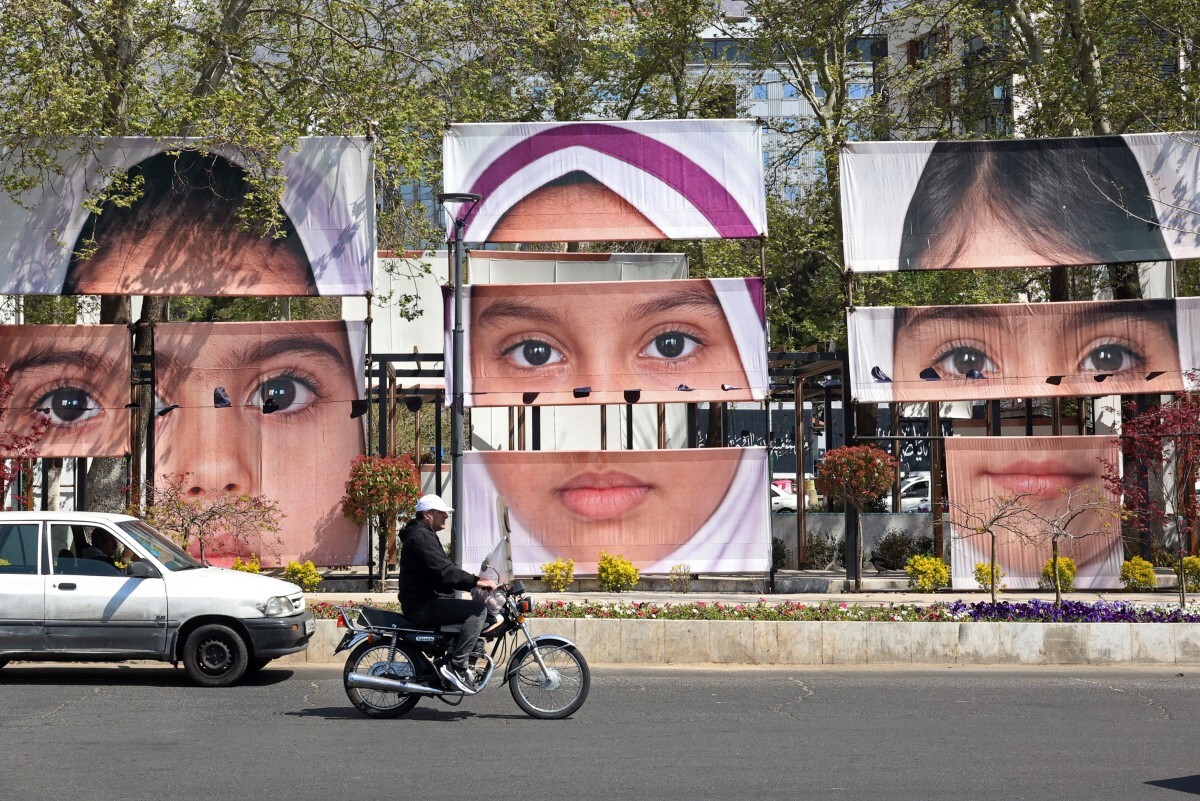
For many children in Iran, war continues in the body, memory, sleep, fear, and the collapse of fragile routines.
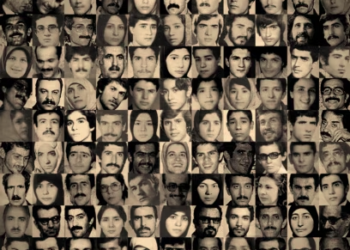
The news was brief. It was a catastrophe: the killing of 168 children in Minab on the first day of the U.S.-Israeli attack on Iran. A catastrophe now associated with the name of Shajareh Tayebeh School in Minab; with classrooms razed to the ground in the U.S.-Israeli attack; with schoolbags thrown into different corners; and with children whose small and fragile bodies, in some cases, have still not been fully found. What remains of them are only images: the so-called ID photos taken for school registration.
The children of the Minab school were the first victims and the first people killed in this 40-day war, but they were not the last. This war killed other children too. It displaced them, made them ill, left them homeless, and made them lose family members. For Iranian children, this war was, and still is, a catastrophe in the fullest sense of the word.
Let us speak from that first day. Let us begin with the hours when the sound of American and Israeli fighter jets in Iran’s sky made the bodies of Iranian children tremble. Children in different cities across the country, afraid of being killed, felt their hearts beat faster, their hands shake, their faces turn pale as chalk, and they took refuge in the arms of a mother, a father, or a trusted adult in the family or extended family.
But among all those children, many did not even have such arms to run to: children waiting in hospitals for heart-transplant surgery; children with cancer lying on chemotherapy beds, at the very moment when a red chemotherapy infusion was entering their veins and the sound of fighter jets echoed in their ears; newborn babies who had not yet been held, who had not yet received much of their share of life; the newborns of Gandhi Hospital in Tehran, whom nurses rescued from under the rubble; and children without guardians, children living in welfare centers and homes for children without parental care, children who have lived for years with the fear of loss, and whose fear grew even deeper during the days of war.
I am writing about these children: children in special situations, children with additional support needs; children who are more vulnerable than others.
Fatemeh Daneshvar, an entrepreneur and supporter of children without guardians at the Mehrafarin Institute, recently released a video during the ceasefire days about the first days of the war and the distress of the children supported by the institute. In it, she described one moment of explosion:
“Well, the moment the explosion happened, we ran to go and bring the children back from school. I was not this worried about my own child, because I knew someone was with my child. My father, my mother… But these children, the children living at the Mehrafarin Institute, had no one.”
In the video she published, we hear the voice of one of these children saying:
“It’s war, aunty, it’s war… I was afraid they would drop a bomb or something, and I would die…”
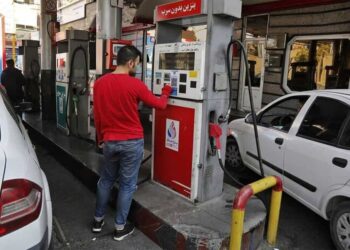
According to Fatemeh Daneshvar, what they heard most often from the children during those days was this: “Aunty, will you come tomorrow too? If they hit the petrol station and you don’t have petrol, how will you come?”
Children who were worried that the institute’s caregivers, the only people they had, might be killed. Children who ran when the bombardment started and the windows shattered. Older children held the hands of younger ones and took them under tables for shelter. According to Fatemeh Daneshvar, every older child had a younger child beside them and looked after them, because they knew they had no one but each other.
Yes, I am writing about children who need more support in moments of crisis but are denied it: children such as child laborers. When the streets emptied out of fear of fighter jets and drones, did anyone think of working children? Some institutions tried to support these children even during the days of war, especially because some of them, due to the hardships and violence they have experienced, need regular examination, conversation, and counseling. These are children whose problems worsened during the days and nights of war, including insomnia and other difficulties they were already struggling with.
When Every Sound Can Collapse a Child’s World
The recent war had a destructive impact on patients with special conditions in Iran, including children with cancer. It deepened their suffering, increased their problems, and intensified their stress. Children with disabilities also found themselves in a much harder situation, especially those who need particular facilities, treatments, and medicines. The least destructive effect was the increased stress imposed on these children and their families.
But when we talk about intensified stress, attention naturally turns more toward families with sick children, where the illness is physical and visible. Here too, we face a form of discrimination or neglect toward certain families: families whose children are not sick in the usual sense, but have additional support needs, such as children on the autism spectrum.
I spoke with someone in Iran who has an autistic child. She told me that the wartime situation had caused severe disruption and distress for her child. Some of the things he had learned over years of educational effort were abandoned again during the days of war because of the disruption, as if he had forgotten them. Every small sound now unsettles and overwhelms him. Worse still, the center they used to attend closed during the war. In other words, they lost one of the most important resources available to them, and this interrupted the training and education this beloved child was receiving. In some cases, this means they may even have to go backward and start the training all over again.
Let us be honest: many of us do not even understand this situation. Many of us are not even familiar with autism. We may have heard of it, but we do not know about the situation of families with autistic children. We do not understand or support them, and we do not take the necessary considerations to avoid imposing even greater pressure on them. This neglect, this lack of information and awareness about the conditions of these families, can become the basis for discrimination against them in society and increase their vulnerability.
For example, perhaps you, like me, did not know that families with autistic children live in a constant state of stress and alertness. This is what Naghmeh Jah, an artist and social activist, told me. I came to know Naghmeh through social media, where she raises awareness about the conditions of families with autistic children. Naghmeh does not live in Iran. When I asked her to speak about autism and war, she said she could only address the special situation of families with autistic children from the perspective of her own experience, and could not claim to understand the conditions of families in Iran. That itself was the first clear point in our conversation: a mother who has, for some time, turned her experiences with her autistic child into a platform for awareness-raising, and whose awareness has led her to respect the lived experience of these families in different situations.
Still, in our conversation, I asked her to speak about what this stress is like, this constant effort to control conditions; and what happens inside such families when a crisis occurs, a crisis like war. Naghmeh said:
“Look, perhaps one of the hardest things to explain about this is that trauma, for people, is usually a specific event that happens in a particular situation, and then we experience its consequences. But those of us who have autistic children are in fact living inside a nervous system that is constantly on alert. The body and psyche of this family never has the chance to leave survival mode.
Society very much likes to describe autism families, or autism mothers, with labels such as invincible heroes. But the reality is that these families experience chronic nervous exhaustion. Their nervous system faces a constant lack of safety that does not even give them the chance to process previous traumas.
So when we speak about autism in relation to war and its consequences, we need to know from the beginning what kind of space we are talking about. We are talking about the context of a family that, without any opportunity for recovery, is trying to build safety moment by moment, in a situation where their child receives so much raw, unfiltered information from the world that every small thing can overwhelm them. And imagine: that same safety, built with a thousand difficulties, may look unbearable to someone watching from outside this space, but for that family it is still a form of safety and routine. Something like war, or the absence of medicine, can truly destroy that safety and routine.
We families with autistic children learn, with enormous difficulty, which sound or which trigger may overwhelm our child, and which changes can inflame the child or create tension. We learn how to minimize the sources of stress. In reality, a family with an autistic child is naturally the architect of a very fragile balance. For me personally, the sound of a cough can ruin our entire day. We may plan to go somewhere, but as soon as we arrive, the sound of someone coughing may upset our child so much that we have to leave immediately and return home. I want to convey the complexity of the situation in ordinary circumstances. Now imagine this already complex situation being hit by an external factor such as war: terrifying, enormous sounds; the nervous collapse of the family; the total disruption of routine and family safety. It may genuinely take years for that family to return to where it had been before.”
I found the same thing in my conversation with the person in Iran. She said:
“Any unexpected change, for families like ours who have autistic children, can be a crisis; a major new challenge. And that means more stress. It means more energy, more time, and more effort to support the child and sustain the family’s endurance. It is not at all clear when we will be able to return to the point we had reached with our child.”
Perhaps for the world of news and media, war ended with the ceasefire. But for many people in Iran, and especially for children, war still continues in the body, in memory, in sleep, and in fear. For some other children, however, it goes even beyond this: it is a dark shadow that has pushed them backward, children who should be understood as part of Iran’s collective future, with the same terror that collapsed over us on the very first day of the military attack. A war that began with the killing of children.